For ecommerce sellers, the fourth quarter is where the year is won — and where shipping costs quietly eat the margin. The reason is peak season surcharges: temporary fees UPS and FedEx layer onto parcels during the holiday rush. Plan for them in June, and Q4 is profitable. Discover them on your December invoice, and they hurt.
This guide breaks down how peak season surcharges are structured, what changed for 2026, and the concrete steps online sellers can take now to protect their holiday margins.
All amounts and dates below are indicative and vary by carrier, service, package profile, and your specific agreement; confirm current figures before peak.
What peak season surcharges are
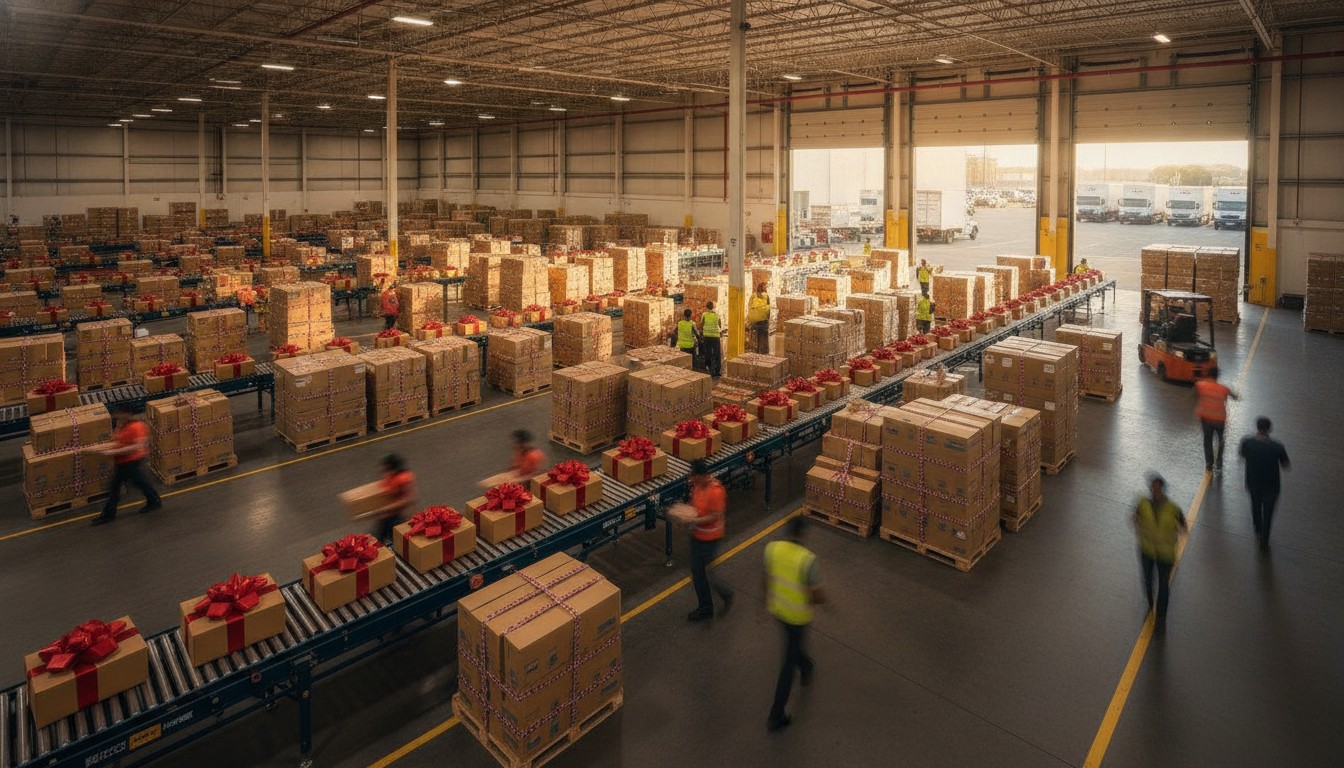
Peak season surcharges are temporary add-ons applied during the busiest shipping window — roughly late September through mid-January. They sit on top of base rates, fuel surcharges, and any other accessorials, and they exist because carriers' networks are stretched to capacity during the holidays.
There are two broad flavors. Demand surcharges apply to standard parcels and rise during defined demand periods (for example, the weeks around Black Friday, Cyber Monday, and mid-December). Overload stack extra fees onto packages that are already costly to handle — residential delivery, additional handling, oversize, and ground economy services. The second category is where sellers get hit hardest.
What changed for 2026
The 2025–2026 peak window set the template, and the structural changes carry into 2026 planning. FedEx's peak season ran from late September 2025 into mid-January 2026, with residential and home-delivery peak surcharges rising sharply — reported increases of more than 25% versus the prior year on some ground residential surcharges.
UPS introduced peak fees on its economy services, including a roughly $2 surcharge on outbound Mail Innovations packages and a per-piece fee (about $0.30) on domestic Parcel Select volume during the demand window — services that lightweight ecommerce sellers lean on heavily.
Crucially, on January 12, 2026, FedEx changed how some overloads trigger: Additional Handling – Dimensions now factors in cubic volume, oversize is assessed on both volume and weight, and specialty deliveries shifted from per-shipment to per-package pricing. For a seller shipping multi-box orders, per-package pricing multiplies the cost. Expect the 2026 holiday surcharges to build on this structure.
How much it really adds
Individually the fees look small; in aggregate they reshape your unit economics. A residential ground parcel might carry a peak demand surcharge of a few dollars, plus a peak residential fee, plus peak additional-handling if it's bulky — easily $1 to $8+ stacked on a single shipment, and far more for oversize items.
Run the math: if peak surcharges add an average of $3 per order across 5,000 holiday orders, that's $15,000 in fees concentrated into a few weeks. That number, not the base rate, is what decides whether your holiday promotions actually make money.
7 ways ecommerce sellers can prepare
- Forecast the overload now. Estimate your peak volume by service type and apply expected surcharge schedules so you know your Q4 cost per order before the season starts.
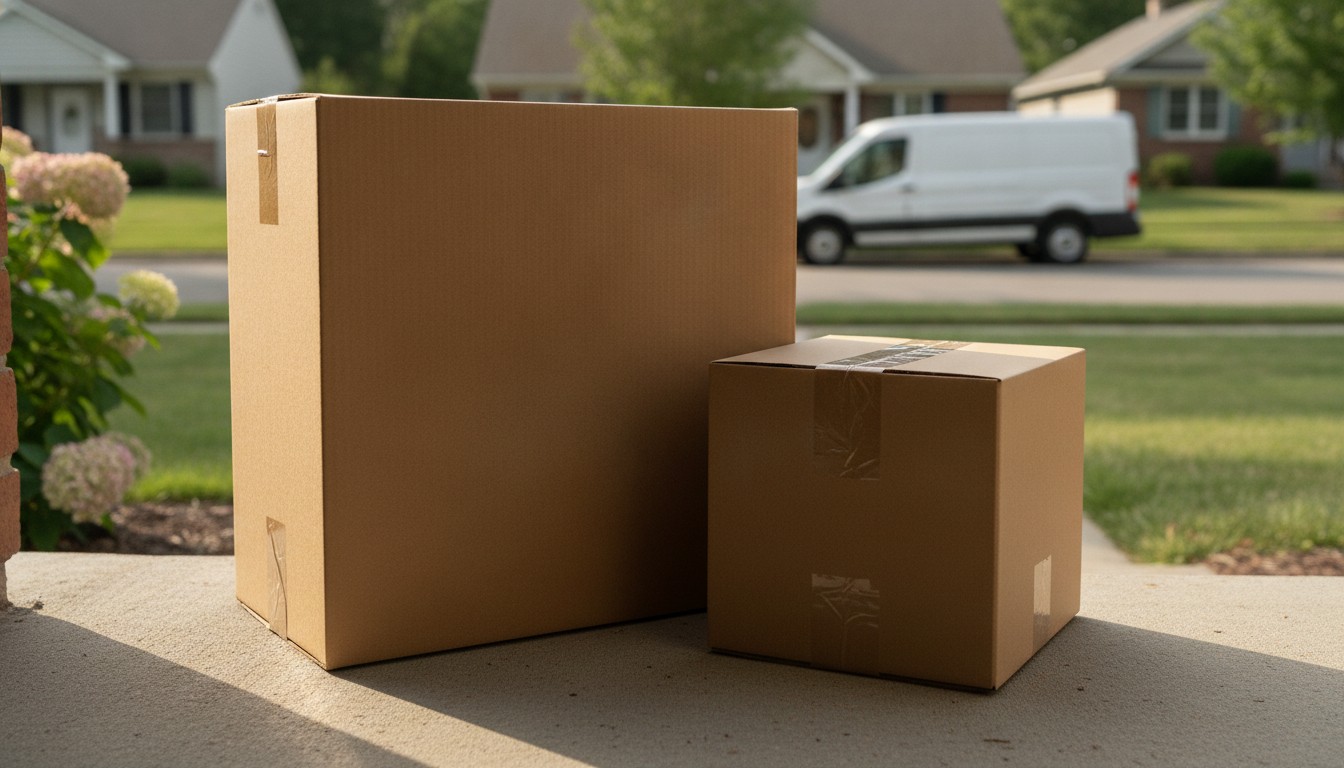
- Right-size every box. Additional handling and oversize fees are volume- and weight-triggered in 2026. Cutting dimensions removes the most expensive peak fees entirely.
- Diversify carriers. UPS, FedEx, USPS, and regional carriers apply different peak structures and timelines. Routing by who's cheapest each week softens the hit.
- Rethink free-shipping thresholds. Raise minimums or build an average peak surcharge into pricing so promotions don't run at a loss in December.
- Push pickup and locker delivery. Shifting parcels away from residential delivery can sidestep the peak residential surcharge.
- Consolidate multi-item orders. With per-package specialty pricing, fewer boxes per order means fewer surcharges.
- Negotiate and review. High-volume sellers can negotiate peak fee waivers or caps — and should audit invoices weekly during peak to catch misapplied charges.
Turn overload season into a plan
The sellers who thrive in Q4 aren't the ones who avoid surcharges — that's impossible — but the ones who model them early and bake them into pricing, packaging, and carrier choice. A surcharge you planned for is a cost; an overload you discovered is a loss.
Conclusion
Peak season surcharges in 2026 will again add real dollars to every holiday parcel, especially for residential, oversize, and economy shipments under the new per-package and volume-based rules. By forecasting now, right-sizing packaging, diversifying carriers, and adjusting your shipping pricing, you can protect your margins through the busiest weeks of the year.
Ready to ship smarter this holiday season? See how HereWeShip helps ecommerce sellers manage peak overloads and keep Q4 profitable.