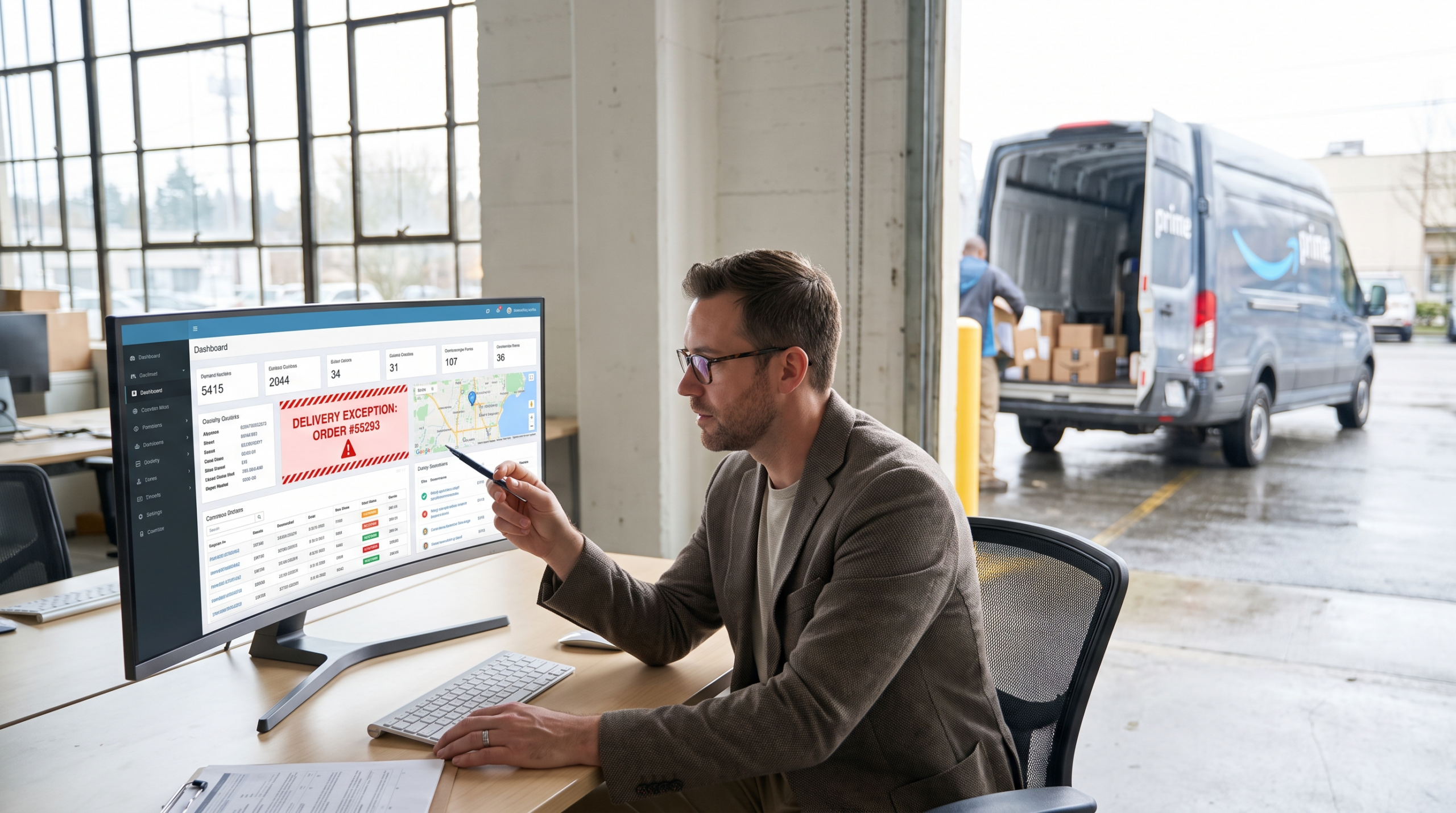
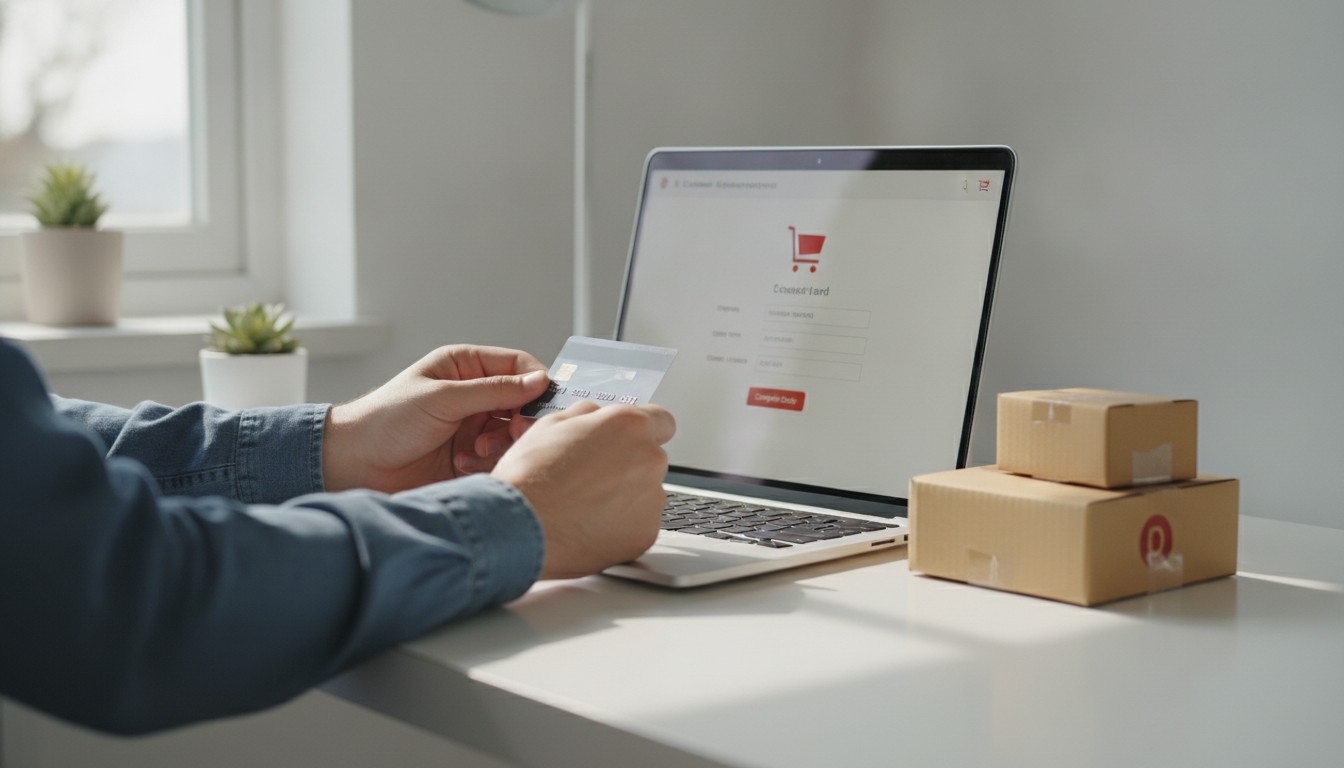
You spent on ads, won the click, earned the add-to-cart — and then watched the shopper vanish at checkout. Cart abandonment is the most expensive leak in ecommerce, and in 2026 the single biggest cause sits squarely in your control: shipping costs.
The good news is that this is the most fixable reason shoppers leave. Unlike a thin product catalog or a weak brand, the shipping experience at checkout can be redesigned this week. Here's what the 2026 data says and what to do about it.
Benchmarks below are indicative and vary by store, category and region. Test against your own analytics before committing.
The 2026 cart abandonment benchmark
The average documented online shopping cart abandonment rate in 2026 is 70.22%, based on the Baymard Institute's analysis of dozens of studies. In other words, roughly seven of every ten carts never become orders.
The scale of the loss is enormous — and recoverable. US and EU ecommerce sites are estimated to lose around $260 billion in sales each year that could be won back through checkout improvements alone, without acquiring a single new customer. That reframes abandonment from «lost traffic» to «deferred revenue you already paid to attract.» »
Why shipping is the number-one killer
When researchers ask shoppers why they abandoned, one answer dominates: 48% abandonment when shipping fees, taxes or other charges push the total higher than expected. It's not always that shipping is expensive — it's that it's a surprise. A price the shopper accepted on the product page balloons at the final step, and trust breaks.
Other causes matter too, but they trail shipping:
- Forced account creation — 26%
- Checkout too long or complicated — 22%
- Lack of trust in payment security — 18%
- Total cost not shown upfront — 17%
Notice that several of these — surprise totals, hidden costs — are really the same shipping-transparency problem wearing different labels.
Free shipping thresholds, done right
A free shipping minimum is the most reliable lever you have. The data is striking: a well-set free shipping threshold can reduce abandonment by about 18% while lifting average order value by roughly 23%. Shoppers add an extra item to clear the bar, so you trade a little margin per order for a bigger basket and a completed sale.
Two rules make or break it. First, set the threshold just above your current average order value — high enough to nudge a second item, low enough to feel achievable. Second, surface it early. Stores that promote the free-shipping minimum prominently — not buried in footer text — see order values climb further, with some estimates putting the AOV lift near 30%. A simple progress bar («You're $12 away from free shipping») converts the threshold from a hidden rule into an active motivator.
Show the real cost early
If you do one thing, do this: stop revealing shipping only at the final step. Display estimated shipping — or the free-shipping threshold — on the product page and in the cart, long before checkout. When the total a shopper sees at step one matches the total at step four, the 48% «unexpected cost» objection largely disappears. Transparency isn't just honest; it's the cheapest conversion optimization available.
Tactics beyond free shipping
| Tactic | Why it works |
|---|---|
| Flat-rate shipping | Predictable cost the shopper can accept upfront, no surprise checkout |
| Delivery date estimates | Justify the cost by setting a clear expectation of when It arrives |
| Guest checkout | Removes the 26% forced-account objection that compounds shipping friction |
| Multiple shipping speeds | Lets price-sensitive buyers choose a cheaper, slower option instead of leaving |
| Tiered or regional rates | Keeps quoted shipping closer to true cost so you can lower the visible price |
A checkout checklist
- Show shipping cost or the free-shipping threshold on the product page.
- Add a cart progress bar toward free shipping.
- Offer guest checkout — never force account creation.
- Display an estimated delivery date next to each shipping option.
- Keep the total stable from cart to confirmation: no last-step surprises.
The bottom line
Cart abandonment will never hit zero — 70% is the baseline reality of online retail. But shipping-driven abandonment is the part you can attack directly, and it's the largest single slice. Set a smart free-shipping threshold, show costs early, and simplify the path to «buy.» »
Want shipping rates and delivery options that help you convert instead of scaring buyers off at checkout? See how HereWeShip supports growing ecommerce stores with pricing and fulfillment built for conversion.