
Nothing kills a dropshipping store faster than the gap between what checkout promised and what the tracking page shows. A customer who waits 22 days for a product they were told would arrive in 10 does not come back, and frequently does not wait quietly either — they open a dispute, leave a review, and tie up your support inbox.
Dropshipping shipping times are the single largest controllable variable in the model. Not product selection, not ad spend. Transit time drives refund rate, chargeback rate, review scores and marketplace standing simultaneously. In 2026 the landscape has shifted enough that a store still running on 2023 assumptions is leaving both money and customers on the table.
This guide covers what transit actually looks like by sourcing origin this year, where the delays hide, and the concrete moves that pull delivery windows down.
What transit times actually look like in 2026
The old mental model — « China is slow, domestic is fast » — is still directionally right, but the numbers have moved and the middle options have multiplied.
| Fulfillment origin | Typical delivery to US | Cost per unit | Best for |
|---|---|---|---|
| China — economy / ePacket | 10–25 days | Lowest | Low-ticket testing only |
| China — direct air channel | 7–12 days | Low-moderate | Validated products, price-sensitive niches |
| China — express courier | 4–7 days | High | High-ticket, low-volume |
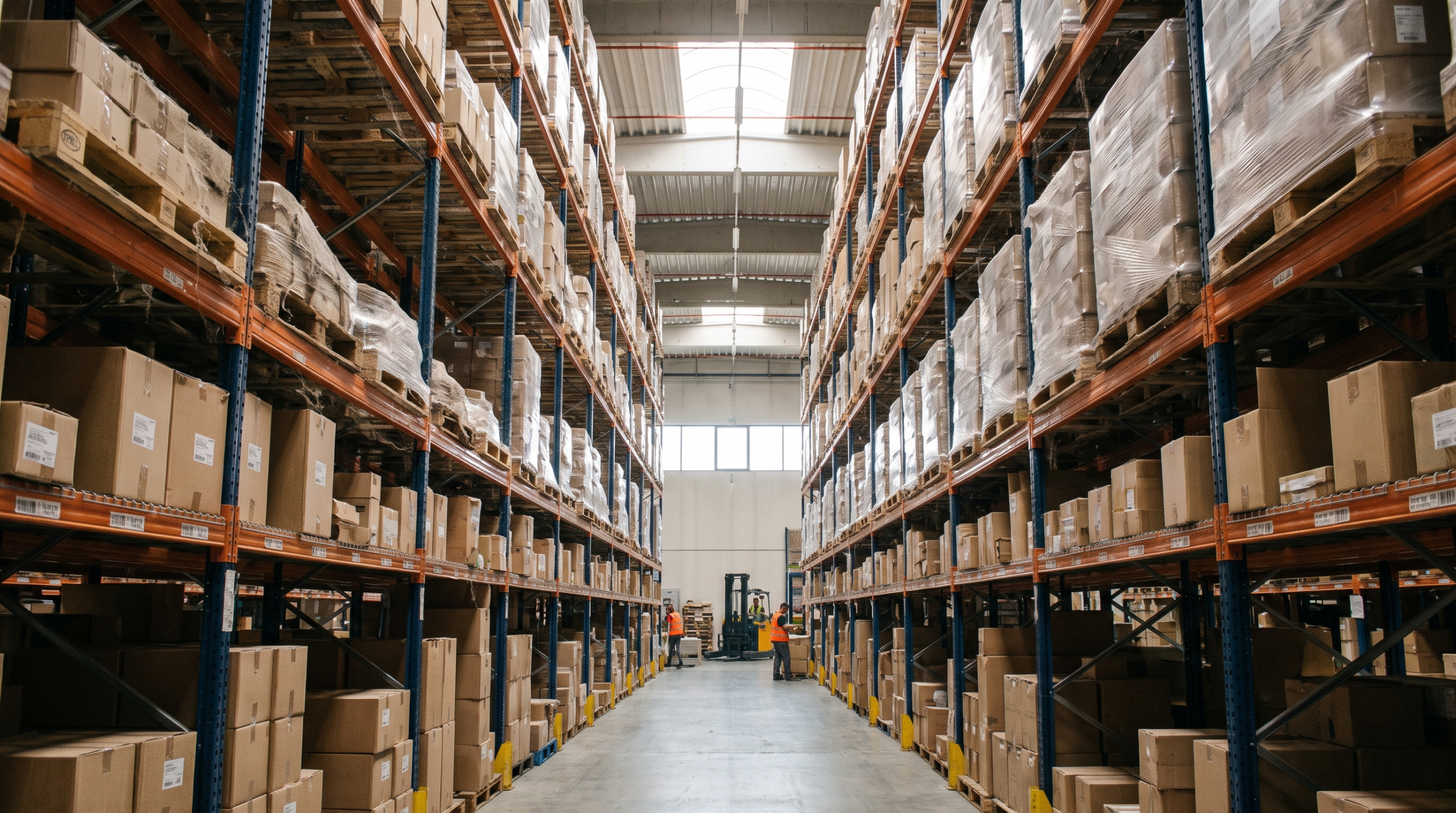
| US domestic warehouse | 3–7 days | Moderate-high | Proven winners, repeat-purchase products |
| US 3PL with distributed stock | 2–4 days | Highest per unit | Scaled SKUs with predictable velocity |
All figures are indicative and vary by supplier, lane, season and your negotiated arrangement.
The meaningful development is the middle tier. Direct air channels at 7 to 12 days did not reliably exist a few years ago, when 20 to 30 days was simply the cost of doing business. That window is now wide enough to support an honest « 10–14 business days » promise at checkout without either lying or pricing yourself out.
The sourcing shift is real
Domestic US warehouse fulfillment now handles roughly 34% of orders to US consumers, up from about 19% in early 2025. Mexican and Vietnamese supplier onboarding grew around 74% year over year through Q2 2026, and US-based supplier searches rose about 61% over the same period.
This is not sellers being sentimental about supply chains. It is arithmetic: the de minimis changes, tariff exposure and customs unpredictability made the landed cost of a China-origin parcel less predictable, while the refund rate on 20-day deliveries stayed stubbornly high. Domestic costs more per unit and frequently wins on contribution margin once refunds and support hours are counted.
Where the days actually disappear
Sellers tend to blame « shipping. » In practice, transit is often the smaller half of the delay.
- Supplier processing time (1–5 days). The window between order placement and a real tracking scan. Many suppliers generate a label immediately and ship days later, which makes tracking look active while the parcel sits.
- First-mile consolidation (2–7 days). Economy channels wait for a container to fill before it departs. This is invisible to you and to your customer, and it is where most of the variance lives.
- Line haul (3–10 days). The actual international leg. The most predictable part of the chain.
- Customs clearance (1–7 days). Variable. A missing or vague HS code, an understated value or a restricted-item flag turns one day into seven.
- Last mile (2–5 days). Domestic delivery after handoff. Economy channels hand off to slower final-mile partners.
Two of these five — processing and consolidation — are where the worst surprises come from, and neither shows up in the « shipping time » your supplier advertises. When a supplier quotes « 12 day shipping, » ask specifically whether that clock starts at order or at departure scan. The answer often adds a week.
The tracking gap is a support cost, not just an inconvenience
Economy channels frequently go dark for 5 to 10 days between the origin scan and the first destination-country scan. Nothing is wrong — the parcel is on a boat or in a consolidation facility — but your customer sees a tracking page that has not moved since last week.
This single phenomenon generates the majority of WISMO tickets in dropshipping. The fixes are cheap:
- Set the expectation before the silence. A post-purchase email on day 3 explaining that tracking will pause and resume cuts inbound tickets substantially.
- Use a branded tracking page that displays a progress narrative rather than raw carrier scans.
- Send a proactive update at the midpoint, even when there is nothing new. Silence reads as a problem; a message reads as control.
Chinese New Year is a planning event, not a surprise
Every year the same thing happens and every year it catches stores unprepared. Most Chinese suppliers and warehouses close for 7 to 10 days around Chinese New Year. Logistics capacity drops by roughly 40 to 60 percent in the surrounding weeks, and delivery times can stretch to 30 to 45 days.
The backlog does not clear on the day factories reopen — it takes two to four weeks to normalize, which means the disruption window is closer to six weeks than to one.
The CNY playbook
| Timing | Action |
|---|---|
| 6–8 weeks before | Confirm each supplier’s exact closure dates in writing — they differ by factory |
| 4–6 weeks before | Place bulk orders for top SKUs into a domestic warehouse or 3PL |
| 2–3 weeks before | Extend advertised delivery windows at checkout; do not quietly absorb the risk |
| During closure | Shift ad spend to domestically stocked SKUs; pause or de-prioritize China-only products |
| 2–4 weeks after | Expect backlog; keep extended windows posted until scans normalize |
Stores that pre-position even three or four best sellers domestically trade one inventory decision for an entire quarter of avoided refunds.
Six moves that cut delivery windows
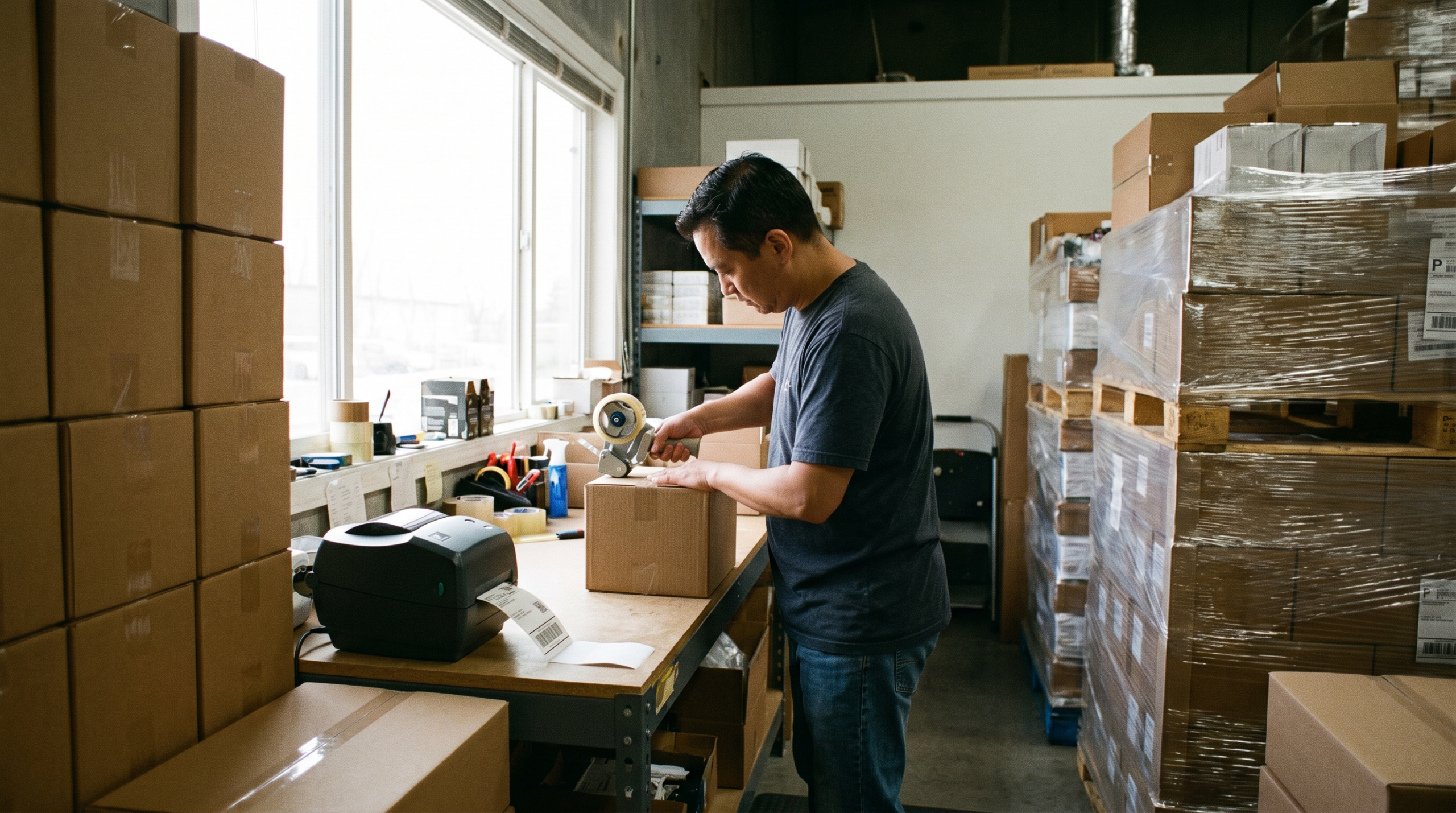
- Measure order-to-delivery, not label-to-delivery. Your true metric starts when the customer pays. Pull 50 recent orders and calculate it honestly — most sellers discover they are running three to five days longer than they tell customers.
- Graduate winners to domestic stock. Once a product proves out, the cost of holding it in a US warehouse is usually less than the refunds, disputes and support hours that 20-day transit generates. Test from China; scale domestically.
- Pay for the air channel on anything above a modest ticket price. The incremental cost per unit is small against the refund rate difference on a slow delivery.
- Fix your customs data. Accurate HS codes and honest declared values remove the most common clearance holds. Vague descriptions like « gift » or « sample » invite inspection.
- Quote in business days with a buffer, and beat it. Promising 14 and delivering in 10 produces a better customer than promising 7 and delivering in 10 — same parcel, opposite outcome.
- Audit supplier processing monthly. Processing time drifts upward quietly as suppliers get busier. A supplier that shipped in one day in January may be at four days by June, and nobody will tell you.
What to promise at checkout
The temptation is to advertise the best case. The better strategy is to advertise a window you beat consistently.
| Your actual median | What to display | Why |
|---|---|---|
| 3–7 days (domestic) | « Arrives in 5–8 business days » | Buffer absorbs weekend and exception variance |
| 7–12 days (air channel) | « Arrives in 10–16 business days » | Covers customs variance without scaring buyers |
| 10–25 days (economy) | « Arrives in 3–5 weeks » | Honest framing beats a disputed order every time |
A displayed estimated delivery date at checkout lifts conversion when it is credible. It destroys trust when it is not. If your economy channel genuinely takes four weeks, say four weeks — the customers who abandon at that number were going to refund at day 22 anyway.
Bottom line
Dropshipping shipping times in 2026 span a wide range, from 2-day domestic 3PL to 25-day economy channels, and where you land is a business decision rather than a constraint. The stores that scale are the ones that test cheaply from overseas, move proven products into domestic stock, communicate through the tracking gap instead of hoping nobody notices, and plan around Chinese New Year six weeks out rather than six days.
Start by measuring order-to-delivery on your last 50 orders. That single number usually explains your refund rate, your review scores and your support volume at once.
At HereWeShip, we help ecommerce sellers compare fulfillment routes and carrier options side by side, so you can see what each delivery window actually costs before you commit to it at checkout. Compare your shipping options at hereweship.com and stop losing margin to delays you can route around.