Shipping a package in 2026 costs more than it did a year ago — but how much more depends almost entirely on the choices you make before you print the label. The same box, going to the same address, can cost $7 or $14 depending on the carrier, the service and the surcharges that quietly stack up.
After the January 2026 rate increases across USPS, UPS and FedEx, finding the cheapest way to ship a package is no longer about loyalty to one carrier. It's about knowing which carrier wins for your specific weight, size and destination — and avoiding the fees that turn a cheap label into an expensive one.
Here's a clear, up-to-date breakdown of what shipping costs in 2026 and how to consistently pay the lowest price.
What changed in 2026: the rate increases at a glance
Every major US carrier raised prices at the start of the year. The headline numbers look modest, but the real-world impact is higher once surcharges are factored in.
| Carrier | 2026 increase (headline) | Notable detail |
|---|---|---|
| USPS | ~6.6% Priority Mail, ~7.8% Ground Advantage | New prices effective January 18, 2026 |
| UPS | 5.9% average General Rate Increase | Effective December 22, 2025 |
| FedEx | 5.9% average increase | Effective January 5, 2026 |
The catch: for many shippers the effective increase lands between 8% and 12% once you add surcharges, dimensional-weight rules and residential fees. For example, FedEx's residential delivery surcharge rose from $5.95 to $6.45, and UPS's residential ground surcharge climbed from $6.10 to $6.50.
The single biggest factor: package weight
If you remember one thing, make it this — the cheapest carrier flips depending on weight.
Lightweight packages (under 10 lbs)
For most parcels under ten pounds, USPS Ground Advantage is the cheapest option in the majority of zones. It avoids fuel surcharges, has no separate residential delivery fee, and includes tracking at no extra cost. For very small, light items under 16 oz, USPS First Class Package can be even cheaper.
Heavier packages (10 lbs and up)
Once you cross roughly ten pounds, the math shifts. UPS Ground and FedEx Ground typically become cheaper than USPS for heavier boxes, especially over longer distances, because their ground networks are built for that weight class.
Watch out for dimensional weight
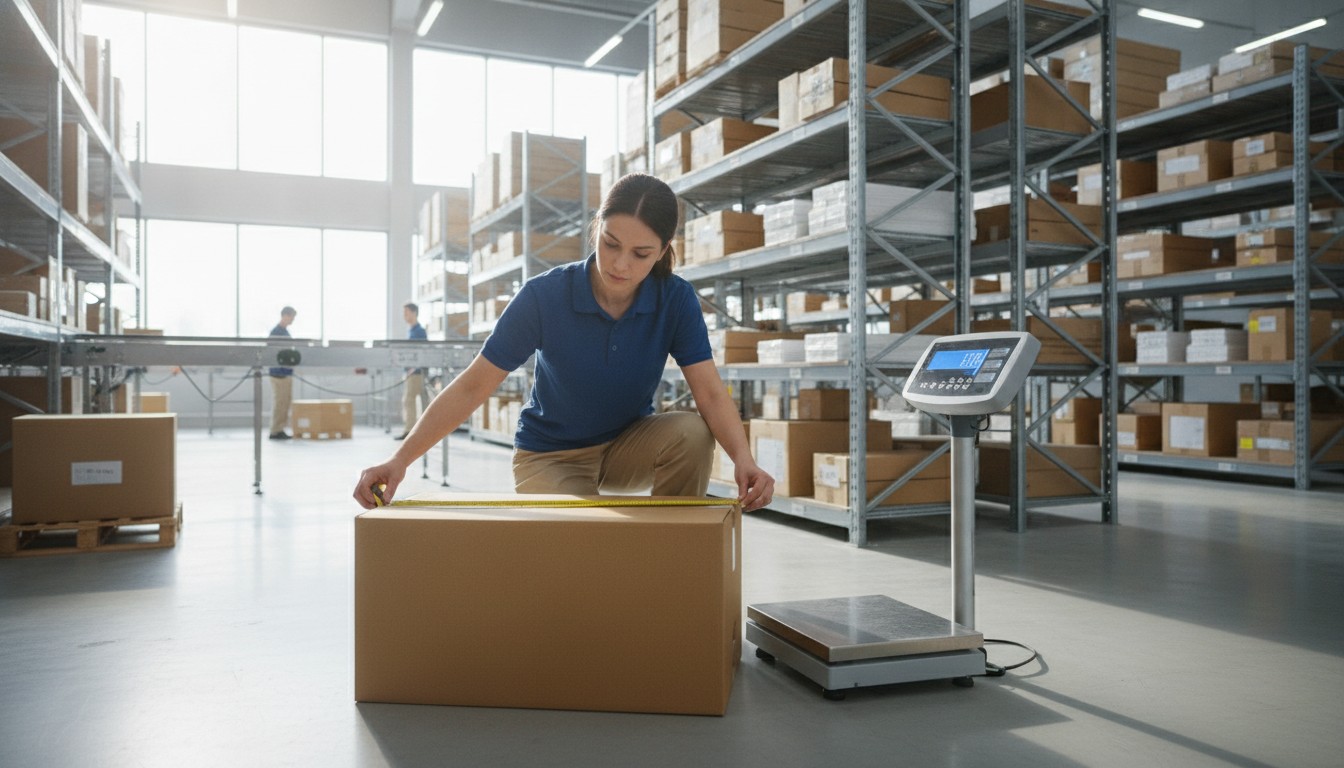
Carriers don't just charge by how heavy your package is — they charge by how much space it takes up. This is called dimensional (DIM) weight: length × width × height divided by a carrier-specific divisor. If the DIM weight is higher than the actual weight, you pay on the DIM weight.
In practice, a big, light box (think a pillow or a lampshade) can cost far more than its scale weight suggests. The fix is simple: use the smallest box that safely fits your item, and avoid shipping air. Right-sizing your packaging is one of the easiest ways to cut a bill.
Six ways to ship cheaper in 2026
Beyond picking the right carrier for the weight, these habits keep your costs down on every shipment:
- Rate shop every package. No carrier wins on every route. Comparing USPS, UPS and FedEx for each shipment is the only reliable way to land the lowest price.
- Right-size your box. Smaller packaging lowers dimensional weight and can drop you into a cheaper price band.
- Use flat-rate when it pays. For small, dense, heavy items going a long distance, USPS Priority Mail Flat Rate can beat weight-based pricing.
- Ship to a pickup point. Routing a parcel to a store or counter instead of a home address can avoid the residential surcharge entirely.
- Print labels online. Counter prices are higher than commercial/online rates for the same service.
- Consolidate shipments. Fees apply per package — combining items into one box means paying those fees once, not three times.
So what is the cheapest way to ship a package?
There's no single answer that holds for every parcel — and any guide that gives you one is oversimplifying. The honest answer for 2026 is a rule of thumb:
- Small and light? Reach for USPS Ground Advantage (or First Class Package under a pound).
- Heavy or bulky? Compare UPS Ground and FedEx Ground.
- Always? Rate shop, right-size the box, and watch the surcharges.
The shippers who pay the least in 2026 aren't loyal to one carrier — they pick the cheapest option for each box.
Let HereWeShip find the lowest rate for you
Comparing carriers on every shipment takes time most people don't have. At HereWeShip, we do the rate shopping for you — comparing USPS, UPS and FedEx so you drop off one package and walk out knowing you paid the lowest available price. Visit HereWeShip to ship smarter and stop overpaying in 2026.
Rates and surcharges cited here are indicative and vary by service, zone, weight, dimensions and any negotiated agreement. Always confirm current pricing with the carrier at the time of shipping.