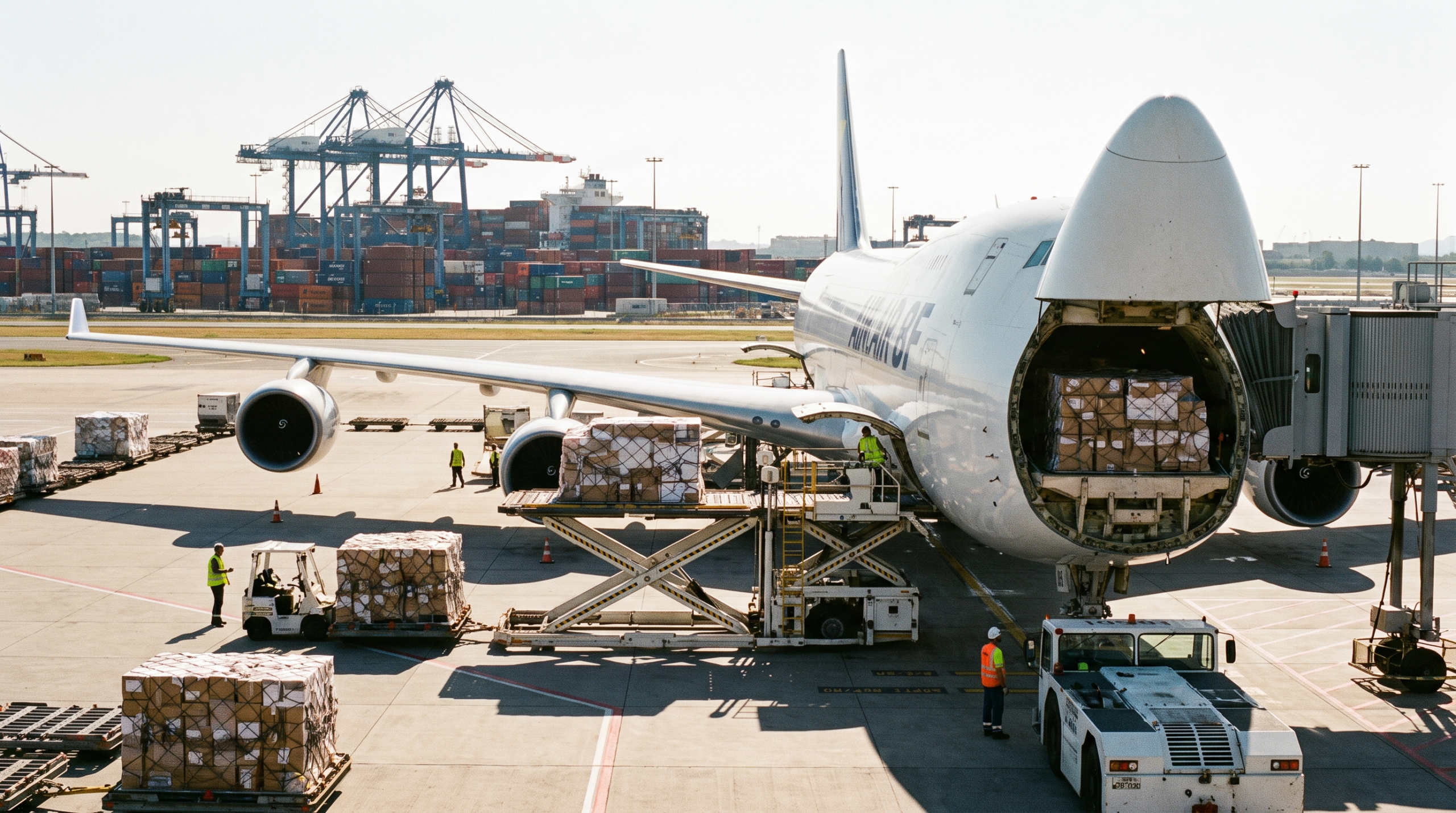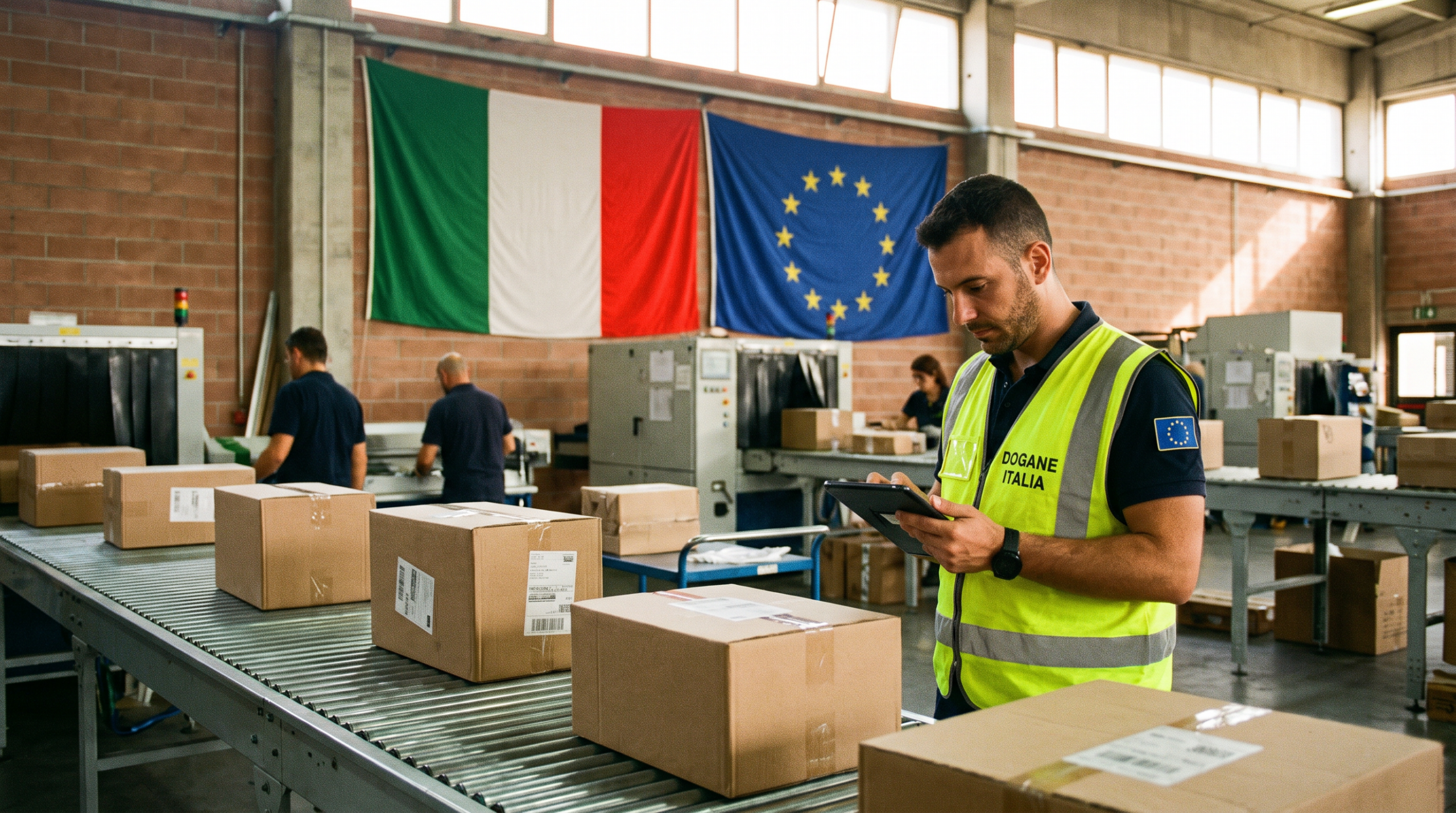
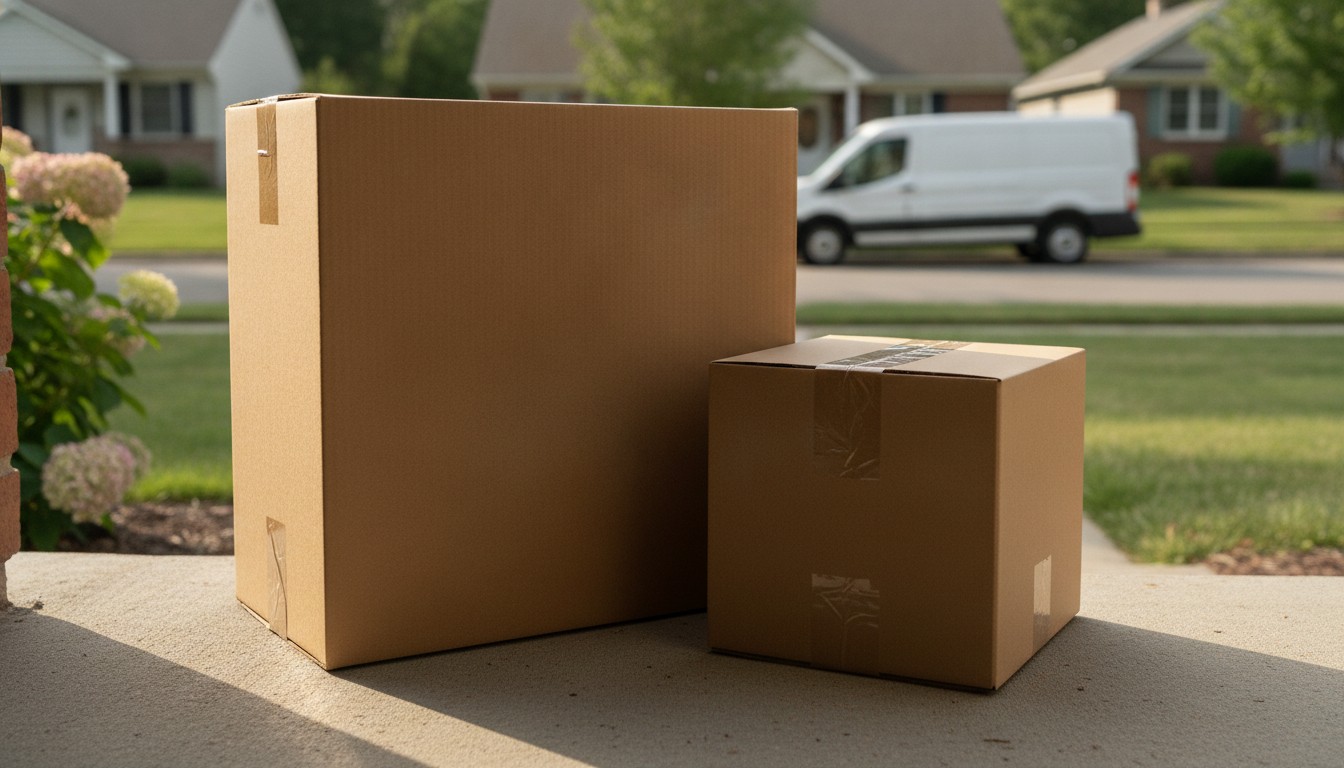
A customer orders three items. Two arrives Tuesday, one shows up Thursday in a separate box. Your fulfillment metrics look fine. Your customer is mildly confused. And your margin on that order just dropped by more than you think.
Split shipments — one order fulfilled as two or more parcels — are among the least tracked and most expensive line items in ecommerce logistics. Most sellers never measure their split rate, because nothing in a standard dashboard flags it as a problem.
In 2026, with base rates up roughly 5.9 % and accessorial fees climbing faster than that, every avoidable split is a real leak. Here is the full cost picture and how to close it.
Why orders split in the first place
Splits are rarely a mistake. They are almost always a consequence of a decision made somewhere upstream:
- Distributed inventory. You hold stock in three nodes to cut zones and transit time. When an order pulls SKUs that live in different nodes, it splits by design.
- Stockouts and backorders. One item is available now, one is not. Rather than delay the whole order, the system ships what it can.
- Size and weight limits. The combined order exceeds what fits in one carton or crosses a carrier weight ceiling.
- Compliance restrictions. Lithium batteries, aerosols and other restricted goods often cannot travel with general merchandise.
- Multi-vendor or dropship models. Items ship from different suppliers entirely.
The first two accounts for the large majority of avoidable splits. The last three are usually structural and worth accepting.
What a split shipment really costs
The obvious cost is a second label. The actual cost is a second everything. Figures below are indicative and vary by carrier, zone, service and your negotiated rates.
| Cost component | Typical range per split |
|---|---|
| Second base plot rate (2 lb, ground) | $8.00 – $14.00 |
| Second residential surcharge | $5.15 – $7.00 |
| Fuel surcharge on the added freight | 20 – 23 % of base |
| Dimensional weight penalty (lightly filled box) | $1.50 – $4.00 |
| Second box, dunage, label and inserts | $0.75 – $2.00 |
| Second pick, pack and labor cycle | $1.50 – $3.50 |
Netted out, the incremental carrier cost alone typically lands between $10 and $18 per split, before packaging and labor. Add those and you are often looking at $13–$23 in fully loaded cost for a parcel that generated zero additional revenue.
Scale it to your volume
A store shipping 4,000 orders a month with a 12 % split rate produces 480 splits. At a conservative $14 fully loaded, that is $6,720 a month — roughly $80,000 a year in cost tied to nothing the customer asked for or valued.
Cutting the split rate from 12 % to 7 % recovers about $2,800 a month. This is usually achievable with configuration changes alone, no capital investment required.
The costs that never hit a shipping invoice
- WISMO tickets. A partial delivery reliably generates a «where is the rest of my order» contact. Support tickets cost $3–$8 each to resolve.
- Perceived reliability. Customers read a partial delivery as an error, even when it arrives on time.
- Returns friction. Multi-parcel orders produce more return label confusion and more partial returns.
- Packaging footprint. Two boxes for one order is the single most visible sustainability failure in ecommerce, and shoppers notice.
How to cut your split rate
1. Measure it first
You cannot fix what nobody reports. Add a single metric to your weekly ops review: parcels per order. Anything above 1.10 deserves investigation. Then break the splits down by cause — node mismatch, stockout, size, compliance — so you know which lever to pull.
2. Rethink node assignment logic
Many order management systems route each line item to its nearest node independently. That optimizes zone per item and guarantees splits. Switching to whole-order optimization — route the entire order to the single node that can fill the most of it — usually beats per-item zone savings, because avoiding a $14 split is worth more than saving $2 on one zone.
3. Use a short consolidation hold
Holding an order for up to 24 hours to let inbound stock land or to consolidate lines can cut total shipping cost on that order by around 30 %. The trade-off is one extra day of transit. For non-expedited orders, that is usually a trade worth making — especially if your estimated delivery date at checkout already accounted for it.
4. Cluster your bestsellers together
Look at your top 50 SKUs and identify which pairs are frequently ordered together. Then make sure those pairs are stored in every node.node. Affinity-based stocking is far more effective than trying to stock everything everywhere.
5. Tighten inventory accuracy
A large share of stockout-driven splits come from phantom inventory — the system says two units are available, the shelf has one. Cycle counting on high-velocity SKUs pays for itself quickly when each phantom unit triggers a $14 split.
6. Use multi-piece shipment features properly
When a split is unavoidable, UPS and FedEx multi-piece shipment (MPS) functionality bills the pieces as one consignment, often avoiding a duplicated set of accessorials and keeping the pieces on a shared tracking master. It also gives the customer a single tracking experience.
7. Communicate the split before the customer notices
If an order will ship in two parcels, say so at the confirmation stage and in the tracking page. A split disclosed generates a fraction of the support contacts that a surprise split does. The cost you cannot remove, you can at least stop paying twice for.
Where to draw the line
Not every split is worth eliminating. Shipping a high-value in-stock item immediately while a backordered accessory follows next week is usually the right call for the customer. Restricted goods have to travel separately. And for very large orders, splitting into two right-sized boxes can genuinely beat one oversized parcel carrying handling and oversize surcharges.
The goal is not zero splits. It is zero unintentional splits — every remaining one should be a decision you made deliberately, with the cost understood.
Start this week
Pull last month's orders, calculate parcels per order, and tag the top three causes of your splits. Most sellers find that one configuration setting in their OMS accounts for a third of the problem.
At HereWeShip, we help online sellers rate-shop across carriers, model split costs before they happen, and route orders in a way that protects margin without slowing delivery. See what your split shipments are costing you before peak season multiplies the bill.
Note: all costs cited are indicative and vary by carrier, service level, zone, package characteristics and your negotiated rate agreement. Confirm current pricing with your carrier or shipping partner before making operational decisions.