
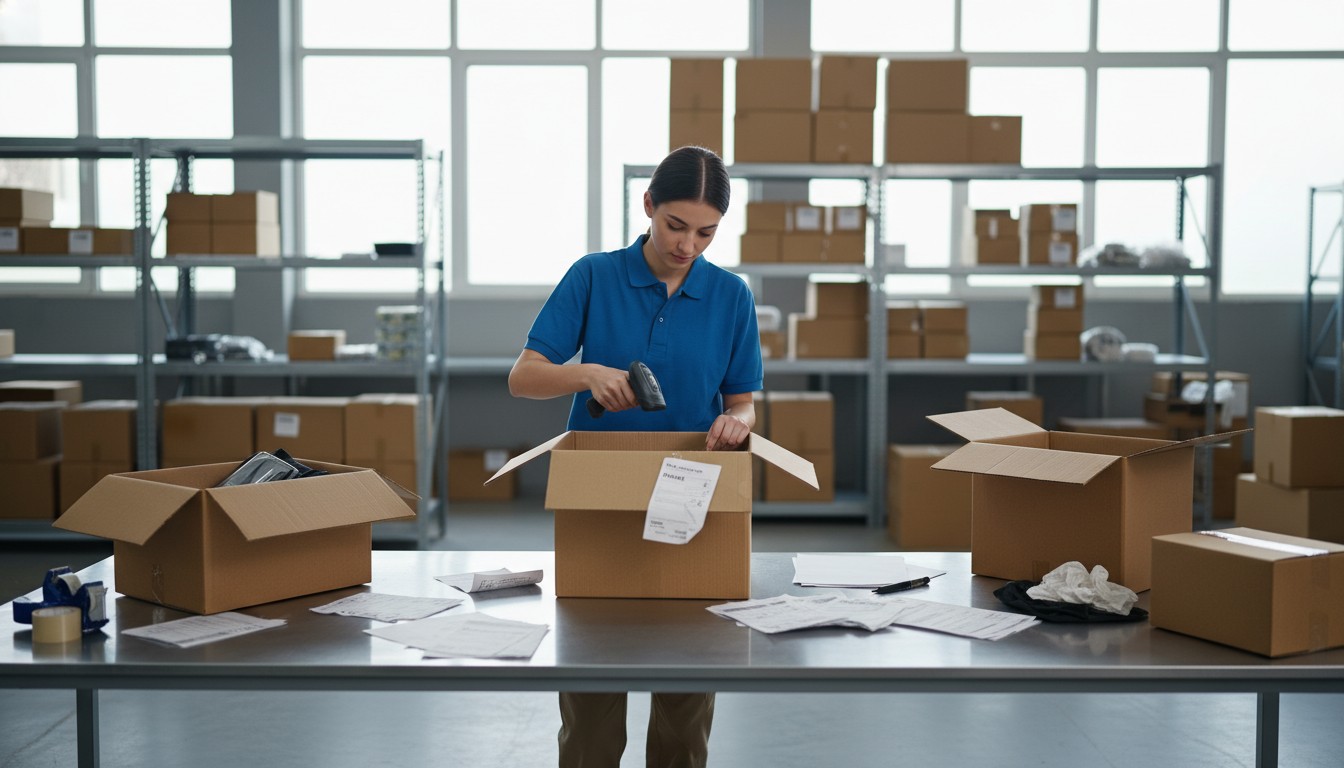
For online sellers, the sale isn't final when the customer clicks «buy.» » In 2026, roughly one in five orders comes back — and every returned parcel quietly eats into the margin you worked so hard to earn.
Ecommerce returns have become one of the largest, least-managed costs in online retail. Return rates run two to three times higher than brick-and-mortar, processing a single return can cost more than the original shipping, and the holiday season turns the trickle into a flood.
The good news: reverse logistics is also one of the biggest opportunities to recover profit. This guide lays out what returns actually cost in 2026 and six concrete ways to bring those costs down without scaring off buyers.
How Big Is the Ecommerce Returns Problem in 2026?
The average online return rate now sits around 19–20%, compared with just 5–9% for physical stores. But the headline number hides huge variation by category:
- Apparel: about 25% overall, with shoes near 31% and women's fashion close to 28%.
- Home goods: roughly 19%.
- Beauty and food/beverage: around 12%.
- Electronics: about 11%.
- Supplements and pet products: 7–10%.
If you sell apparel or footwear, in other words, a quarter or more of everything you ship is likely to come back — and you need a returns strategy built for that reality.
What a Single Return Really Costs
Processing one ecommerce return typically runs $10 to $65, depending on the product and how far it has to travel. This figure stacks up quickly:
- Reverse shipping: $5–$15
- Processing and inspection labor: $8–$15
- Restocking: $2–$10
- Write-downs on items that can't be resold at full price
Reverse logistics alone can swallow 20–30% of the original product value, and only about 48% of returned items are never sold at full price. For bulky electronics, per-item reverse-logistics cost can reach $30–$65; for furniture, it can exceed the product's entire margin.
The Holiday Returns Spike
Returns are seasonal, and the fourth quarter is brutal. Holiday shopping lifts return volume by 15–17%, and seasonal return rates can spike to around 30%. January is reliably the busiest returning month of the year as gifts and unwanted items come back. Sellers who size their reverse-logistics capacity only for average volume get buried every January.
Return Fees: The Normal
Free, no-questions-asked returns are fading. Ace of 2026, 72% of US retailers charges a return fee — up from just 41% in 2023 — and 53% of them saw return rates drop as a result. The lesson isn't simply "charge for returns." « It's that clear, well-designed return policies change customer behavior. A modest restocking or return-shipping fee, paired with generous exchange options, can curb frivolous returns while keeping loyal buyers happy.
6 Ways to Cut Reverse Logistics Costs
- Fix the root causes. Most returns trace back to fit, sizing, or mismatched expectations. Better size charts, detailed photos, video, and accurate descriptions reduce returns before they start.
- Offer exchanges first. Steering customers toward an exchange or store credit keeps the revenue and avoids a full refund-and-reship cycle.
- Use a returns policy that shapes behavior. Tiered fees, longer windows for loyalty members, and «keep it» rules for low-value items all cut processing costs.
- Route returns smartly. Consolidate returns to the nearest facility and use prepaid, rate-purchased labels rather than the most expensive express option.
- Grade and resell faster. The quicker an item is inspected and restocked, the more likely it sells at full price instead of being liquidated.
- Rate-shop reverse shipping. Return labels are shipments too. Comparing carriers on the return leg — not just the outbound — recovers real money on every parcel.
Turn Returns From a Cost Into an Edge
Returns will always be part of selling online, but they don't have to be a margin sinkhole. Sellers who measure their true cost per return, attack the root causes, and rate-shop the reverse leg consistently outperform those who treat returns as an afterthought.
Shipping — and returning — for less starts with the right carrier mix. See how HereWeShip helps online sellers compare rates on both the outbound and the return leg, so every parcel costs less in 2026.
Cost and rate figures are indicative and vary by product category, carrier agreement, and destination.