
Every ecommerce seller eventually gets the email no one wants: «My order arrived broken» — or worse, never arrived at all. In that moment, shipping insurance stops being an abstract line item and becomes the difference between a quick refund and a loss that comes straight out of your margin.
Yet most sellers either skip coverage entirely or overpay for it, because the way carriers sell «insurance» is widely misunderstood. What UPS and FedEx offer is not insurance at all — it is declared value coverage, with important exclusions. And for high-value shipments, third-party insurers often cost 30–50% less than what the carriers charge.
Here is how shipping insurance actually works in 2026, what it costs at each carrier, and a simple framework to decide when it is worth buying.
Declared Value vs. Real Shipping Insurance
The distinction matters more than most sellers realize:
- Declared value (UPS, FedEx): the carrier's maximum liability if they lose or damage your package. If the carrier can argue improper packaging, or the package shows delivered, your claim can be denied.
- Current insurance (USPS and third parties): a true policy that pays out whether or not the carrier was at fault. Some third-party policies even cover porch piracy — theft after delivery — which declared value coverage never does.
That difference shows up exactly when you need coverage most: a package marked «delivered» that the customer never received is generally not claimable under declared value, but may be under a third-party policy.
What Coverage Costs in 2026
All three major US carriers include the first $100 of coverage at no charge. Beyond that, indicative 2026 rates look like this (actual amounts vary by service and agreement):
| Provider | Included free | Indicative cost above $100 |
|---|---|---|
| USPS | $100 (Priority Mail / Express) | From about $2.70 per tier, up to $5,000 max |
| UPS | $100 | ≈ $5.10 flat up to $300, then ≈ $1.70 per $100 |
| FedEx | $100 | Minimum charge to $300, then ≈ $1.50 per $100 |
| Third-party insurers | — | ≈ 0.5%–1% of value (as low as $0.40 per $100) |
The gap widens fast with value. Covering a $1,000 shipment runs roughly $12–$20 through the carriers but only $5–$10 through a third-party insurer. At $5,000, carriers charge $50–$95 versus $25–$38 for specialty providers. High-volume and high-value sellers are leaving real money on the table by defaulting to career coverage.
All figures are indicative list rates and vary by carrier agreement, service level, and effective date.
When Shipping Insurance Is Worth It (and When It Isn't)
Insurance is a math problem, not a feeling. The break-even logic is simple: if coverage costs about 1% of order value, it pays off whenever your loss-and-damage rate on that lane exceeds 1%.
- Skip it on low-value orders (under ~$100): the first $100 is already covered on most services, and the claim time often costs more than the product.
- Buy it on fragile goods, electronics, jewelry, and anything over a few hundred dollars — a single denied refund wipes out the premiums on dozens of orders.
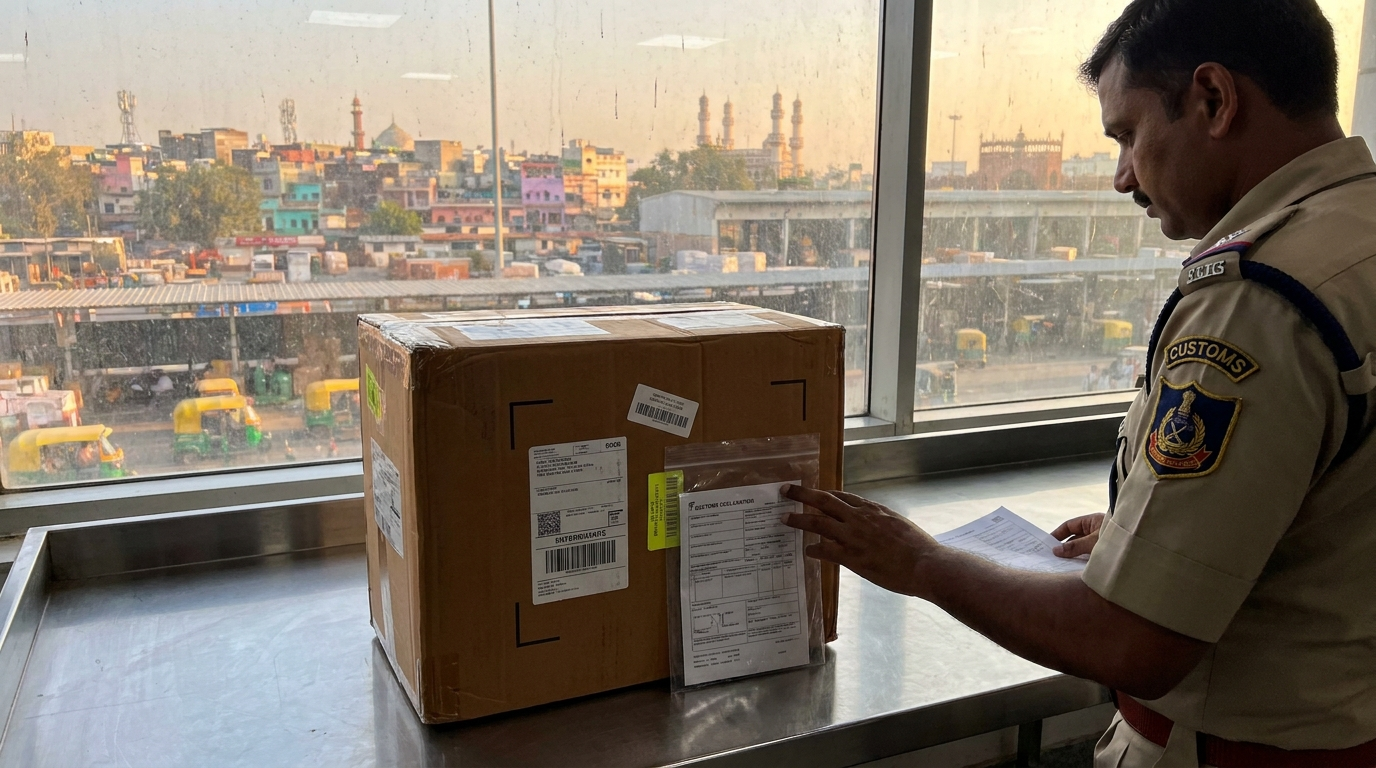
- Always insure international shipments: longer journeys, more handoffs, and customs handling multiply the risk, and recovering from a foreign carrier without coverage is nearly impossible.
5 Ways to Pay Less for Protection
1. Self-insure your cheap orders
If you ship 1,000 orders a month at $40 each, paying 1% ($400/month) to insure them all makes no sense when your actual loss rate is 0.3% ($120/month). Set a value threshold — many sellers use $150–$200 — and only insure above it.
2. Use third-party insurers for high-value lanes
Providers like Shipsurance, U-PIC, ShipSaver or XCover integrate with most shipping platforms and routinely undercut carrier declared-value fees by 30–50%, with broader coverage terms.
3. Package like a claims adjuster is watching
Damage claims are routinely denied for «insufficient packaging.» » Double-boxing fragile items, 5 cm of cushioning on all six sides, and photos of the packed box before sealing turn denials into payouts.
4. File fast and document everything
Each provider has claim windows — miss them and coverage is worthless. Keep invoices proving item value, photograph damage immediately, and file as soon as an issue is confirmed.
5. Reflect protection in your shipping strategy
Some sellers offer customers optional «shipping protection» at checkout for $1–$3. Done honestly, it funds a no-questions-asked reshipment policy, increases trust, and converts a cost center into a small margin line.
The Bottom Line
Shipping insurance in 2026 is neither a must-have on every parcel nor a fee to ignore. Know the difference between declared value and true insurance, set a value threshold, route high-value shipments through cheaper third-party coverage, and package so your claims actually get paid.
Shipping smarter starts with the right partner. HereWeShip helps ecommerce sellers compare carriers, cut shipping costs, and protect every order — domestic and international. Get your rates today.