
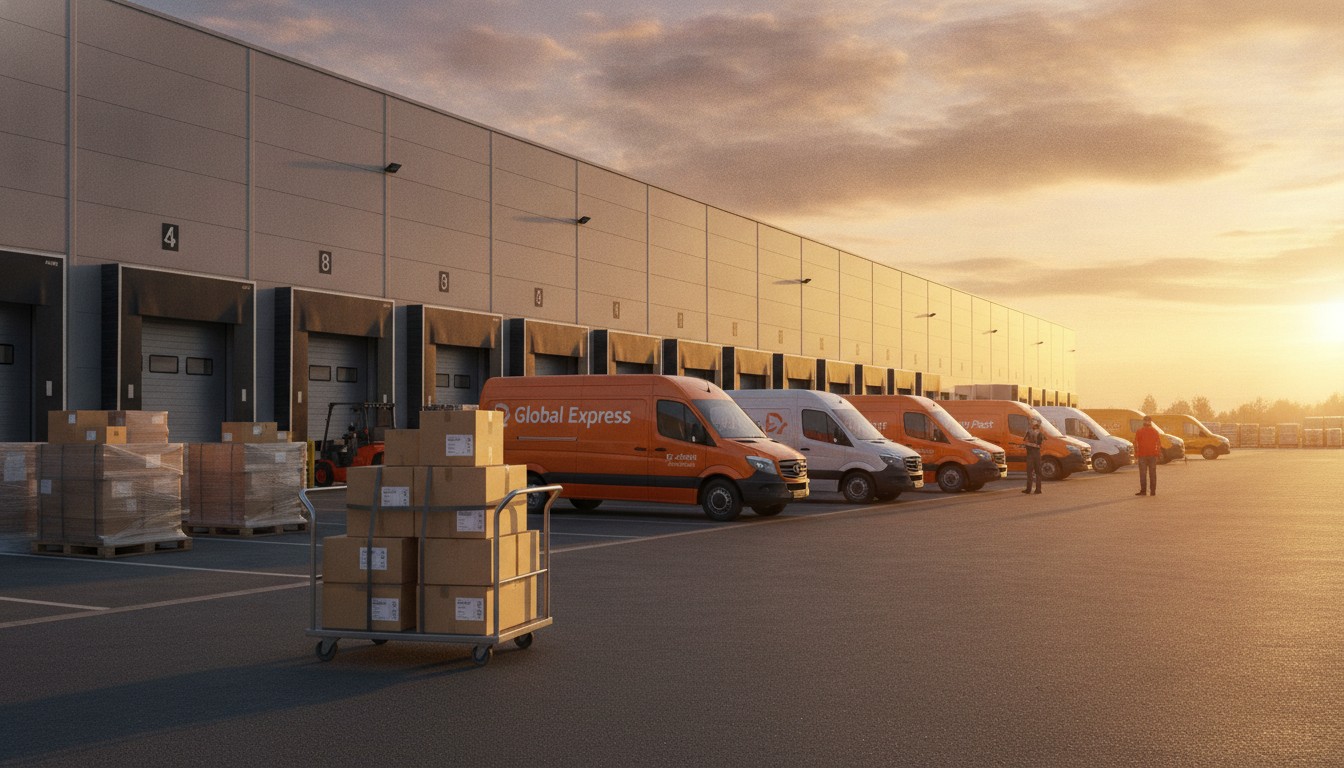
If your online store ships everything with one carrier, you're paying for loyalty that isn't being repaid. In 2026, base rates rose another 5.9% on average, surcharges climbed even faster, and mid-year changes — like USPS tightening its dimensional weight rules in July — keep reshuffling which carrier is cheapest for any given parcel. The sellers protecting their margins this year all share one habit: they stopped asking «which carrier is best?» « and started asking “which career is best for this package? »
That's a multi-carrier shipping strategy. Here's how it works, what it saves, and how to build one without drowning in complexity.
Why One Carrier Is Never Cheapest
Every carrier prices around its own network strengths. USPS is hard to beat on small, light parcels and PO boxes. UPS and FedEx are stronger on heavier boxes and dense commercial zones. Regional carriers undercut everyone on short-haul lanes they know well. The result: the «cheapest carrier» changes with weight, dimensions, area, destination type and time of year.
Sellers who systematically route each order to the best-priced carrier for that profile typically cut total shipping spend by 20–30% — without touching delivery speed. On thousands of parcels a month, that's the difference between a margin problem and a growth budget.
The Four Pillars of a Multi-Carrier Strategy
1. Rate shopping on every order
Compare real, surcharge-inclusive prices — not published base rates — across carriers at label time. Fuel, residential and delivery-area surcharges differ enough between carriers to flip the ranking on identical parcels.
2. Profile-based routing rules
Most stores can cover 90% of orders with a handful of rules: under 1 lb → postal; 1–10 lb residential → economy ground services; over 10 lb or high-value → premium ground; oversized → whichever carrier's additional-handling fees are gentlest. Build the rules once, review them quarterly.
3. Resilience against disruptions
Strikes, peak-season capacity caps and sudden overload announcements hit single-carrier sellers hardest. With two or three active carrier accounts, you can shift volume in hours instead of scrambling for weeks. After the labor disruptions and overload waves of recent years, this is insurance your fulfillment operation needs.
4. Negotiating leverage
Carriers price sharpest when they know they're competing. Even a modest secondary career gives you a credible alternative at renewal time — and shipping platforms that pool volume across many sellers unlock discounts a single small store could never negotiate alone.
What It Looks Like in Practice
| Order profile | Typical best pick | Why |
|---|---|---|
| 8 oz accessory, residential | Postal/Ground Advantage | Light-parcel pricing, no residential surcharge |
| 4 lb box, zone 5 suburb | Economy ground (UPS/FedEx) | Better mid-weight rates than postal |
| 18 lb bulky box | Ground, carrier with lowest DIM impact | Dimensional weight dominates the price |
| Short-haul metro lane | Regional carrier | National undercuts on lanes it specializes in |
Figures and picks are indicative — actual pricing varies by carrier agreement, service and zone.
Common Objections, Answered
«Managing multiple careers sounds like extra work. » It was, a decade ago. Today a shipping platform prints labels, compares live rates and tracks parcels across carriers from one dashboard — the complexity sits in software, not in your team's day.
«Won't I lose my volume discount by splitting shipments? » Usually the opposite: routing each parcel to its cheapest carrier saves more than a concentrated discount returns, and pooled-volume platforms preserve deep discounts regardless of how you split.
«My customers only care about speed. » Multi-carrier routing preserves the delivery promise — you're choosing among services with equivalent transit times, just better prices. Many sellers actually improve delivery consistency by avoiding each carrier's weak lanes.
Getting Started This Quarter
Pull last quarter's shipping invoices and segment orders by weight, size and destination. Identify your three biggest profiles and rate-shop each across at least three carriers. Set routing rules for those profiles first — they'll capture most of the savings — then expand from there before peak season pricing arrives in the fall.
HereWeShip gives ecommerce sellers one platform to compare discounted rates across carriers and route every order to the best option automatically. Create your free account at hereweship.com and turn your shipping mix into a competitive edge.