For nearly a decade, the $800 de minimis threshold was the invisible foundation of cross-border ecommerce. Ship a parcel from an overseas supplier straight to a US customer, keep it under $800, and it cleared with no duty and almost no paperwork. Entire business models were built on that single rule.
That foundation is gone. The US de minimis suspension that started as an executive action in August 2025 was moved into permanent regulation by CBP on June 24, 2026, covering merchandise arriving through every mode other than the international postal network — which operates under its own new entry process. There is no announced end date.
If you still route individual customer orders directly from a foreign warehouse, this article is your remediation plan.
What actually changed
Section 321 of the Tariff Act allowed one shipment per person per day, valued at $800 or less, to enter the United States free of duty and formal entry. It scaled enormously: de minimis shipments grew from roughly 134 million in 2015 to more than 1.36 billion by 2024 — about 4 million parcels a day entering with no duty assessed.
Under the suspension:
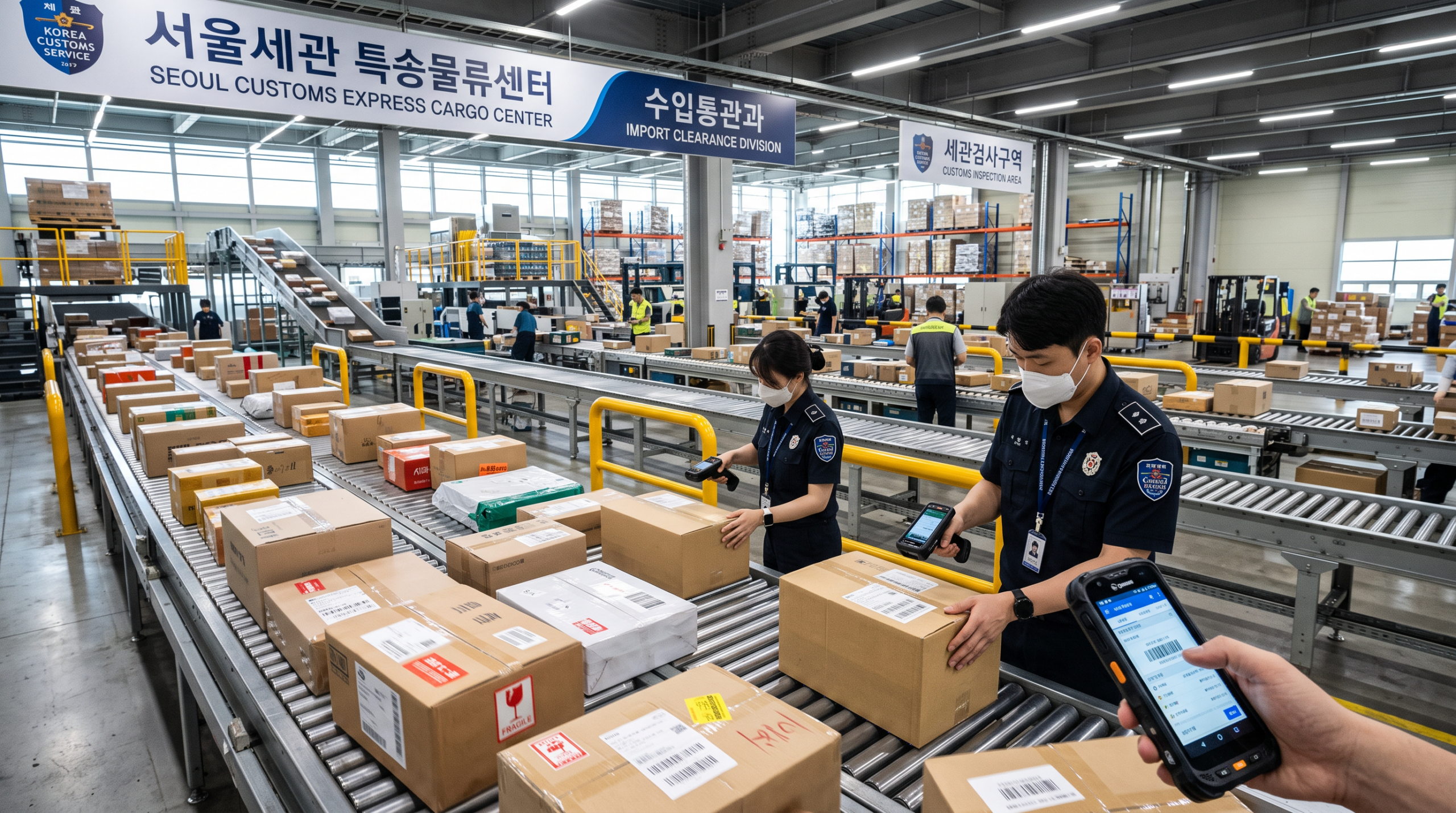
- Every inbound shipment needs a customs entry. Value no longer exempts a parcel from the process.
- Duty applies from the first dollar. Country-of-origin duty rates and any applicable Section 301 or reciprocal tariffs are assessed on goods that previously entered free.
- It is global. The suspension is not targeted at one origin country. Every country of origin is covered.
- Data requirements tightened. Accurate HS classification, declared value, and country of origin are now mandatory on shipments where they were previously nominal.
CBP has estimated the postal informal entry process alone will collect more than $100 million a year in additional duties.
The math that breaks direct-from-overseas models
Take a $22 accessory shipped individually from Asia to a US buyer. Under the old rule: $0 duty, minimal brokerage.
Now, that same parcel typically carries:
- Duty at the applicable HTS rate, plus any additional tariff stacking
- A brokerage or disbursement fee from the carrier, commonly in the $8-$15 range per entry
- Merchandise processing on formal entries where the value or program requires it
On low-value goods, the duty and clearance cost can exceed the value of the product itself. A model that netted $6 a unit does not survive a $12 clearance cost per parcel.
Duty rates, brokerage fees, and processing charges vary by HTS code, origin, carrier agreement, and entry type. Treat every figure here as indicative and confirm against your own career and broker terms.
Four ways sellers are restructuring
1. Bulk import, then domestic fulfillment
The dominant response. Instead of 5,000 individual entries, you make one consolidated import into a US warehouse and ship domestically from there. Duty is paid once on a commercial invoice rather than per parcel, per-unit clearance cost collapses, and customers get one- to three-day domestic delivery instead of two-week international transit.
The trade-off is working capital: you pay duty and freight up front and carry inventory. For most sellers moving more than a few hundred units a month, the clearance savings alone cover the holding cost.
2. Section 321-style consolidation is no longer the workaround
Some sellers previously used Canadian or Mexican fulfillment nodes to inject parcels across the border under de minimis. Because the suspension is global and mode-agnostic outside the postal channel, this route no longer produces a duty-free outcome. Verify with your broker before building a plan around any cross-border injection strategy.
3. Get HS classification right, and get it right early
Classification used to be a formality on low-value parcels. It is now the single biggest driver of your landed cost, and misclassification carries real penalty exposure. Assign an HTS code at the SKU level, store it in your product catalog, and pass it on every commercial invoice. Ambiguous or generic descriptions are the leading cause of holds.
4. Show landed cost at checkout, and ship DDP
The worst outcome is not the duty — it is the customer receiving a surprise invoice from the carrier before they can collect their order. Refusals spike, chargebacks follow, and you pay return freight on top.
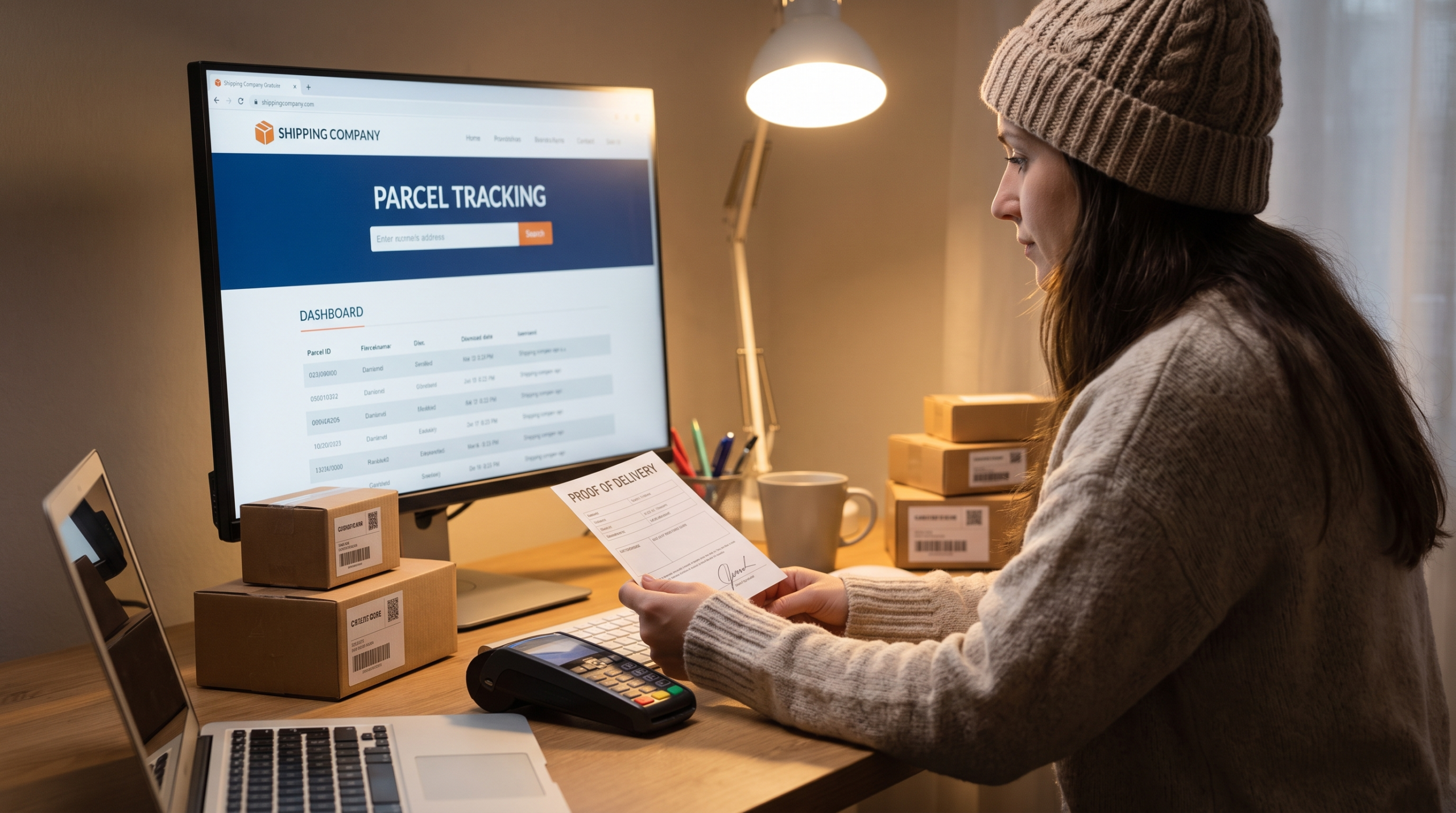
Calculate duty and taxes at checkout and ship Delivered Duty Paid so the buyer pays once and receives cleanly. Sellers who moved from DDU to DDP after the suspension consistently report fewer refused deliveries and fewer «item not received» disputes.
A practical checklist
- Audit SKU-level margin. Rebuild your landed cost model with duty and per-entry clearance included. Some SKUs no longer clear a profit at their current price.
- Classify your catalog. Every SKU needs an HTS code, a country of origin, and an accurate description before it ships.
- Get a customs broker. If you are importing in bulk, a broker is no longer optional overhead.
- Reprice deliberately. Raising prices 8-12% is usually better received than adding a visible duty line, but transparency at checkout beats a surprise at the door either way.
- Reconsider your free shipping threshold. A higher minimum order value spreads fixed clearance cost across more units.
- Document everything. Commercial invoices, valuation basis, and origin records need to survive an audit.
What to watch next
Two things are still in motion. The postal channel operates under a separate informal entry process that has continued to evolve, and several foreign postal operators temporarily suspended US-bound parcel service while they built compliance capacity. Meanwhile, the EU and UK have been tightening their own low-value import rules on a parallel track, so sellers shipping in both directions face changes on both ends.
None of this points back toward a duty-free threshold returning. Plan for permanence.
The bottom line
The de minimis era rewarded sellers who could move a parcel across a border cheaply. The post-suspension era rewards sellers who classify accurately, import in bulk, fulfill domestically, and tell the customer the real price up front.
The businesses struggling right now are the ones still shipping single parcels from overseas and hoping the math works out. It doesn't. The sooner you move inventory onshore and fix your classification data, the sooner your margin stabilizes.
Need help restructuring your cross-border flow? Explore shipping options with HereWeShip and build a fulfillment setup that works under the current rules.