Every growing ecommerce brand hits the same wall: order volume climbs, the garage or back room overflows, and packing orders starts eating the hours you should be spending on marketing and product. That is the moment the 3PL vs in-house fulfillment question stops being theoretical — and in 2026, with parcel rates up again and customer delivery expectations higher than ever, getting the answer right directly protects your margins.
The good news: the economics of this decision are well documented. There are clear cost-per-order benchmarks, a fairly predictable break-even zone, and a short list of factors that should tip you one way or the other.
Here is the 2026 breakdown, with real numbers.
What Each Model Actually Costs in 2026
Indicative benchmarks for 2026 (actual costs vary by product profile, region and agreement):
| Model | Typical cost per order (excl. postage) | What is included |
|---|---|---|
| 3PL — mid volume (500–2,000 orders/mo) | $4–$10 | Pick & pack, packaging, storage, receiving |
| 3PL — low volume (<200 orders/mo) | $8–$15 | Same, but monthly minimums spread over few orders |
| In-house | $5–$10 | Labor, rent share, packaging supplies, software |
On paper the ranges overlap — which is exactly why so many brands get this decision wrong. The real differences show up in three places most spreadsheets miss.
The Hidden Numbers That Decide the Question
Carrier discounts are the 3PL’s secret weapon
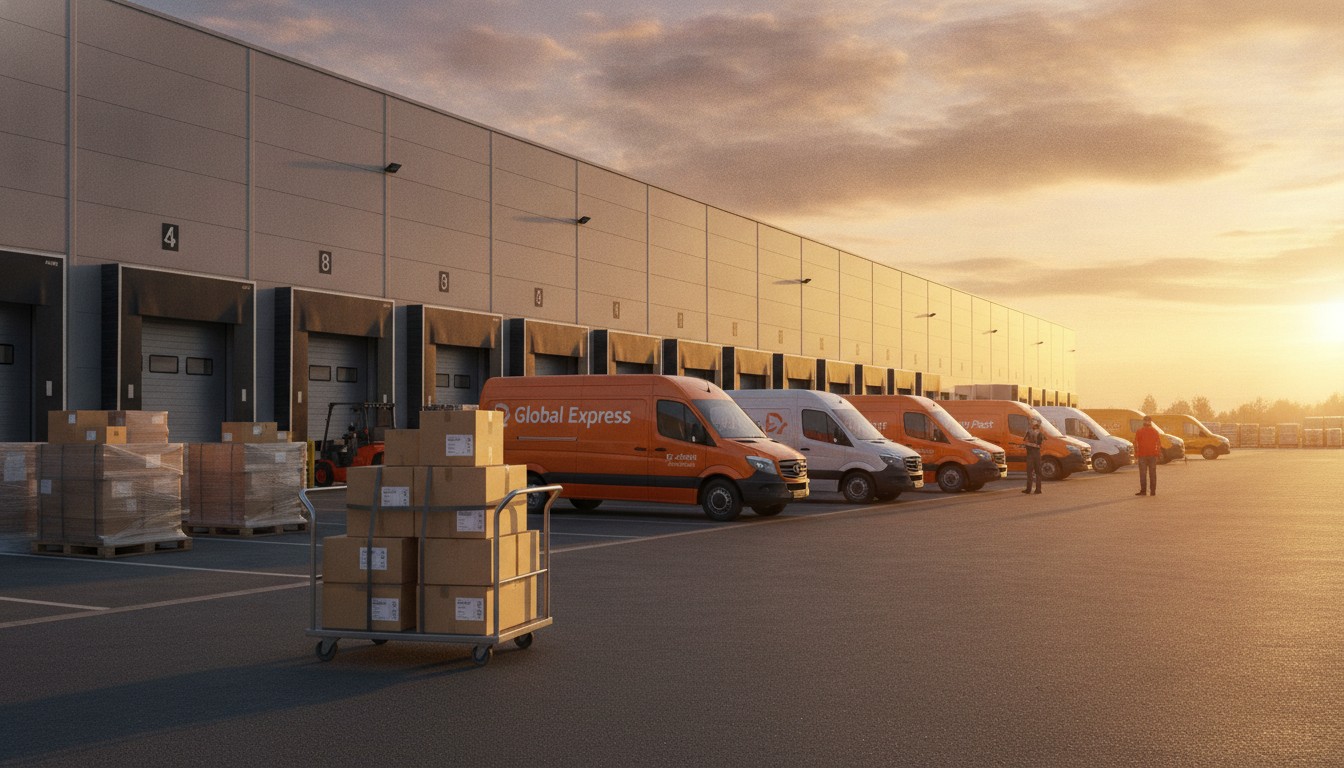
A large 3PL shipping millions of parcels a month negotiates carrier rates 20–40% below what a merchant shipping a few thousand packages can get. If your average postage cost is $8 per order, a 25% carrier discount saves $2 per order — often enough to cover the entire pick-and-pack fee. For many brands, this single factor makes outsourcing cheaper even when the handling fees look higher.
In-house labor doesn’t scale smoothly
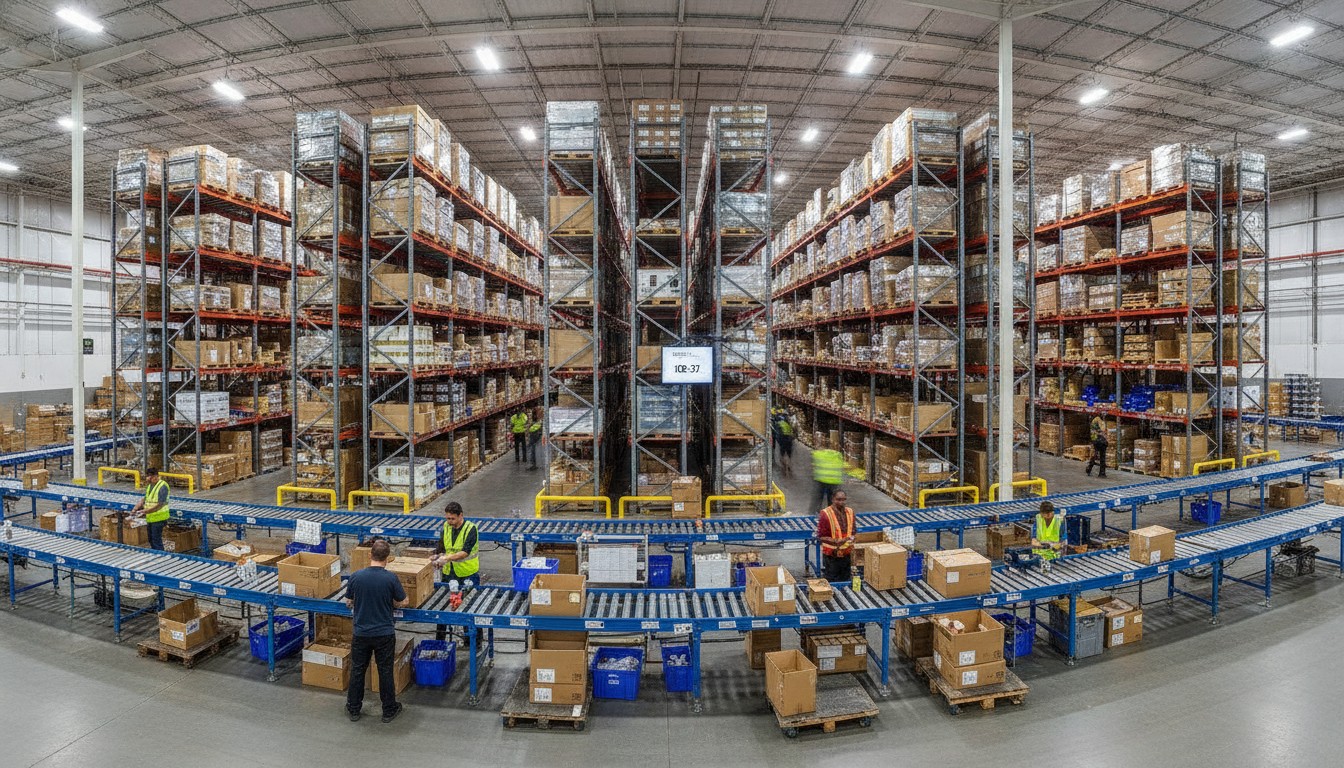
Your own fulfillment costs are stair-stepped: one hire at a time, one lease at a time. A holiday spike that doubles orders can force overtime, temp staff and missed ship-by dates. A 3PL absorbs those swings across dozens of clients — you pay per order, not per employee.
3PL invoices contain fees you didn’t model
Receiving fees, storage per bin or pallet, kitting charges, returns processing, packaging materials, account minimums, peak-season surcharges: the advertised $3.50 pick-and-pack fee routinely becomes $10–$15 all-in for low-volume accounts. Always model the full fee schedule against a realistic month of your orders before signing.
The Break-Even Zone: 500–1,000 Orders a Month
Across 2026 industry analyses, the pattern is consistent:
- Under ~500 orders/month: in-house is usually cheaper. 3PL minimums and per-order fees outweigh your labor costs, and you keep full control of the customer experience.
- 500–1,000 orders/month: the gray zone. The right answer depends on your SKU count, storage footprint, returns rate and how much your own time is worth.
- Above ~1,000 orders/month: 3PL economics usually win. Discounted carrier rates, shared warehouse costs and professional systems beat what most brands can build themselves.
When to Stay In-House (Even at Volume)
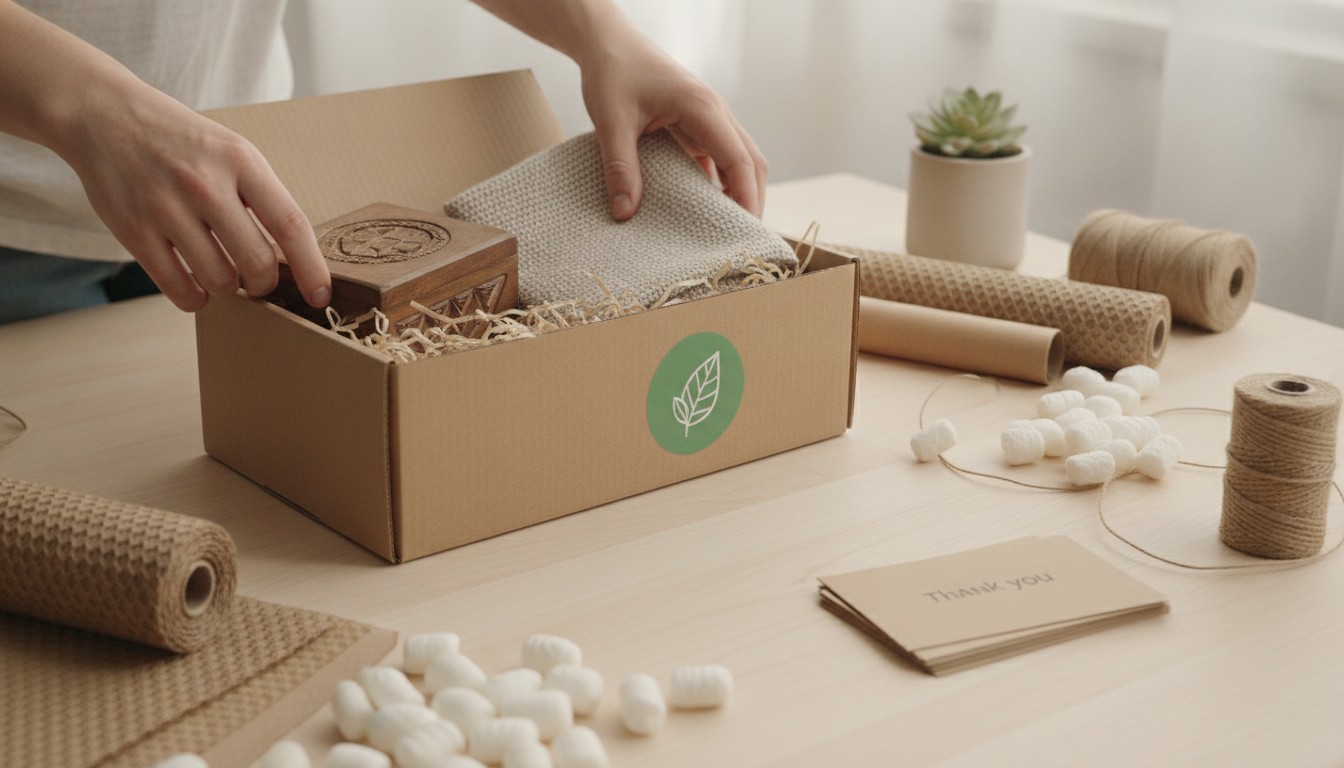
Outsourcing is not automatic. Keep fulfillment in-house when your product needs special handling (fragile, perishable, regulated, high-value), when unboxing is core to your brand experience, when your SKU catalog changes constantly, or when your margins can’t absorb a 3PL’s storage fees for slow-moving inventory. Many successful brands run hybrid models: a 3PL for standard bestsellers, in-house for custom, personalized or launch products.
When to Switch to a 3PL
The strongest signals: fulfillment tasks are consuming founder or team hours that should go to growth; you are missing your promised ship-by times during spikes; you need multi-warehouse placement to cut delivery zones and reach customers in 2 days; you are expanding into cross-border markets and want customs and returns handled by professionals; or your negotiated carrier rates are clearly worse than what fulfillment partners offer.
How to Decide: a 15-Minute Exercise
- Calculate your true in-house cost per order: (monthly fulfillment labor + rent share + supplies + software) ÷ orders shipped.
- Get two or three full 3PL fee schedules and price a realistic month — including receiving, storage, returns and peak surcharges, not just pick and pack.
- Compare postage: ask each 3PL for their actual carrier rates on your five most common package profiles.
- Add the strategic factor: how many hours a month would outsourcing return to you, and what is that time worth?
En resumen
In 2026, the 3PL vs in-house fulfillment decision comes down to volume, postage leverage and focus. Below 500 orders a month, keep it in-house and invest in efficient processes. Above 1,000, a good 3PL almost always wins on total cost. In between, run the numbers — carefully, and with every fee on the table.
Whichever model you choose, cheaper shipping makes it work better. Aquí estamos gives ecommerce sellers access to discounted multi-carrier rates and simple shipping tools — whether you fulfill from your garage or a warehouse. Compare your rates free today and keep more margin on every order.
Figures cited are indicative 2026 benchmarks and vary by provider, agreement and order profile.