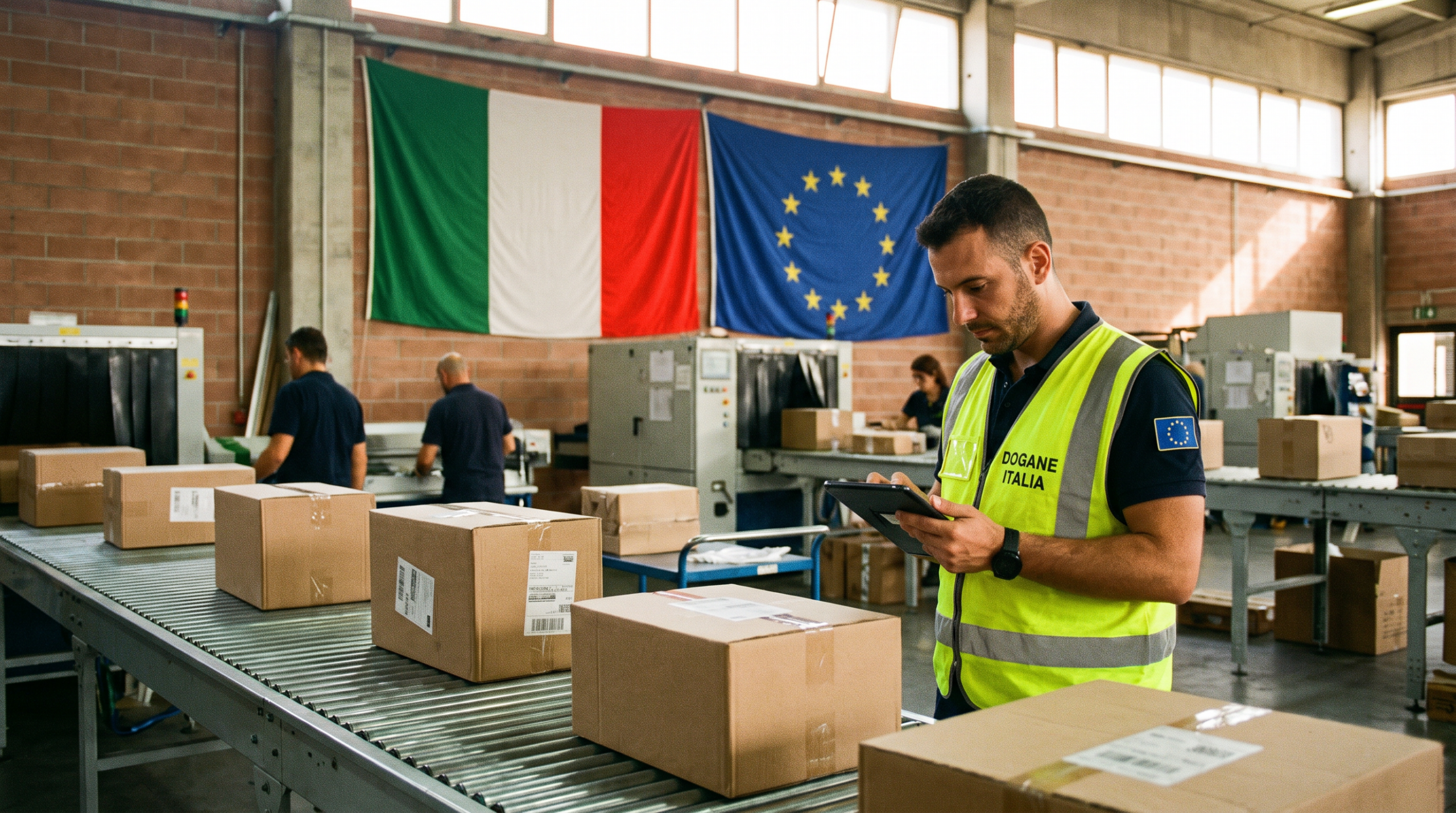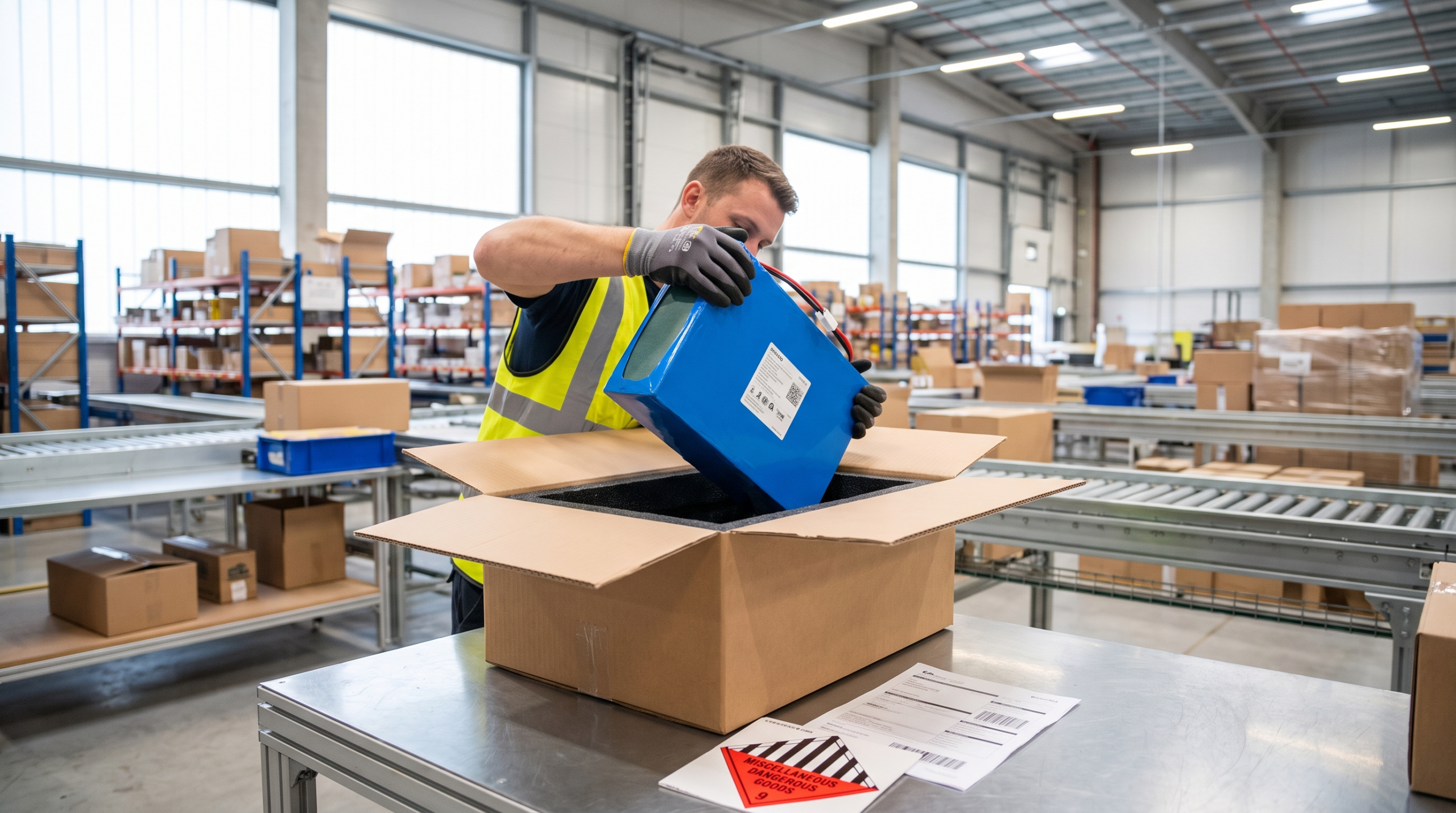

Durante años, los paquetes de comercio electrónico de bajo valor cruzaron las fronteras con poco escrutinio. Esa era ha terminado. Con la eliminación de las exenciones de minimis y las autoridades aduaneras realizando auditorías más estrictas, Código HS El control de cada envío se ha convertido en un detalle crucial. Si se hace correctamente, los paquetes se despachan rápidamente; si se hace mal, se enfrentan a retenciones, aranceles retroactivos y penalizaciones que pueden superar con creces el valor del pedido.
Si vendes internacionalmente en 2026, la clasificación por código HS ya no es un detalle secundario en la administración, sino una parte fundamental de la logística. Aquí te explicamos qué ha cambiado y cómo mantenerte al día con la normativa.
Qué es un código HS y por qué ahora es más importante que nunca.
El código del Sistema Armonizado (SA) es un número estandarizado que indica a la aduana la clasificación exacta de un producto. Determina el arancel, si se aplican restricciones y la rapidez con la que se despacha un paquete. Los primeros seis dígitos son globales; cada país añade dígitos adicionales según sus propios aranceles.
Lo que ha cambiado son las apuestas. El trato libre de impuestos de minimis quedó suspendido a partir del 29 de agosto de 2025., después de que los envíos de China y Hong Kong lo perdieran a principios del 2 de mayo de 2025. Ahora, cada envío entrante a los Estados Unidos requiere una declaración de aduana y debe pagar aranceles independientemente de su valor, con un recargo de la Sección 122 de 10% aplicando como mínimo. Eso significa que el código HS en un pedido $15 ahora importa tanto como en uno $1,500.
¿Cuánto cuesta realmente una clasificación errónea?
Las autoridades aduaneras de todo el mundo están endureciendo las normas, aumentando las auditorías e imponiendo sanciones más severas por declaraciones incorrectas en 2026. Las consecuencias negativas de un código erróneo son graves y aumentan con la intención:
- Errores por negligencia por lo general conllevan sanciones de 10–20% del deber insuficientemente pagado.
- Clasificación errónea intencional (fraude) puede desencadenar sanciones de 100–400%, además de enjuiciamiento penal en casos graves.
- Categorías de alto riesgo como la ropa pueden enfrentarse a sanciones de hasta 300% del deber insuficientemente pagado Además de los retrasos en los envíos.
Y los retrasos no son raros. Una sorprendente 42% de negocios de comercio electrónico de ropa Según una encuesta realizada en el cuarto trimestre de 2025, se registraron retenciones de envíos causadas por discrepancias en el código HS del año anterior. Para un vendedor en línea, un paquete retenido significa un cliente insatisfecho, una solicitud de reembolso y una reputación dañada.
Por qué el comercio electrónico dificulta la clasificación
La clasificación se creó para empresas que enviaban palés de un solo producto. El comercio electrónico lo cambia todo: miles de referencias, cambios frecuentes en el catálogo y productos que difuminan las fronteras entre categorías. Una «botella de agua inteligente» podría clasificarse como botella, electrónica o sensor, y cada categoría tiene un arancel diferente.
La tentación es reutilizar un código genérico en todo un catálogo o copiar el número de un competidor. Ambas opciones invitan a auditorías. Debido a que ahora cada envío está sujeto a aranceles, la clasificación HS debe realizarse a nivel de catálogo para cada SKU, no improvisado en la etapa de etiquetado.
Cómo clasificar con precisión a gran escala
No necesitas un agente de aduanas en plantilla para hacerlo bien. Un proceso repetible cubre la mayor parte del riesgo:
- Clasificar a nivel de SKU. Asigne y almacene un código HS para cada producto de su catálogo, no por pedido. Trátelo como un atributo de producto obligatorio.
- Utilice herramientas oficiales. Valide los códigos comparándolos con la lista de tarifas del país de destino, en lugar de adivinarlos a partir del nombre del producto.
- Autómatas con una API de código HS. Para catálogos grandes o que cambian rápidamente, una API que clasifica cada SKU mantiene los códigos actualizados a medida que se agregan productos.
- Documenta tu razonamiento. Anota brevemente por qué se eligió cada código. En caso de auditoría, es importante contar con una justificación sólida.
- Revisar las categorías de alto riesgo. La ropa, los aparatos electrónicos y los suplementos son los productos que más se examinan; revíselos con atención.
Emparejar los códigos HS con el resto de los documentos aduaneros.
Un código HS preciso solo funciona si se acompaña de una factura comercial completa: descripciones claras del producto, valor declarado, país de origen y condiciones arancelarias (DDP o DDU). Decidir quién paga los aranceles por adelantado —usted o el cliente— evita cargos inesperados al momento de la entrega y los consiguientes rechazos de paquetes. Los códigos precisos y la documentación completa son clave para que los paquetes lleguen a su destino en 2026.
En resumen
Tras la eliminación de la cláusula de minimis, el código HS es el campo que con mayor probabilidad retrasa o genera sobrecargos en sus envíos internacionales. Clasifique cada SKU con precisión, valide según los aranceles oficiales y automatice el proceso a medida que su negocio crezca. El costo de hacerlo bien es de solo unos minutos por producto; el costo de hacerlo mal puede ser varias veces superior al arancel adeudado.
¿Realiza envíos internacionales y desea que la clasificación de cada paquete se gestione correctamente? Deja que HereWeShip te ayude con tus envíos internacionales y te proporcione la documentación aduanera precisa. y menos retrasos costosos.
Los aranceles, recargos y cifras de sanciones que se citan son orientativos y varían según el producto, el destino y la normativa aduanera.