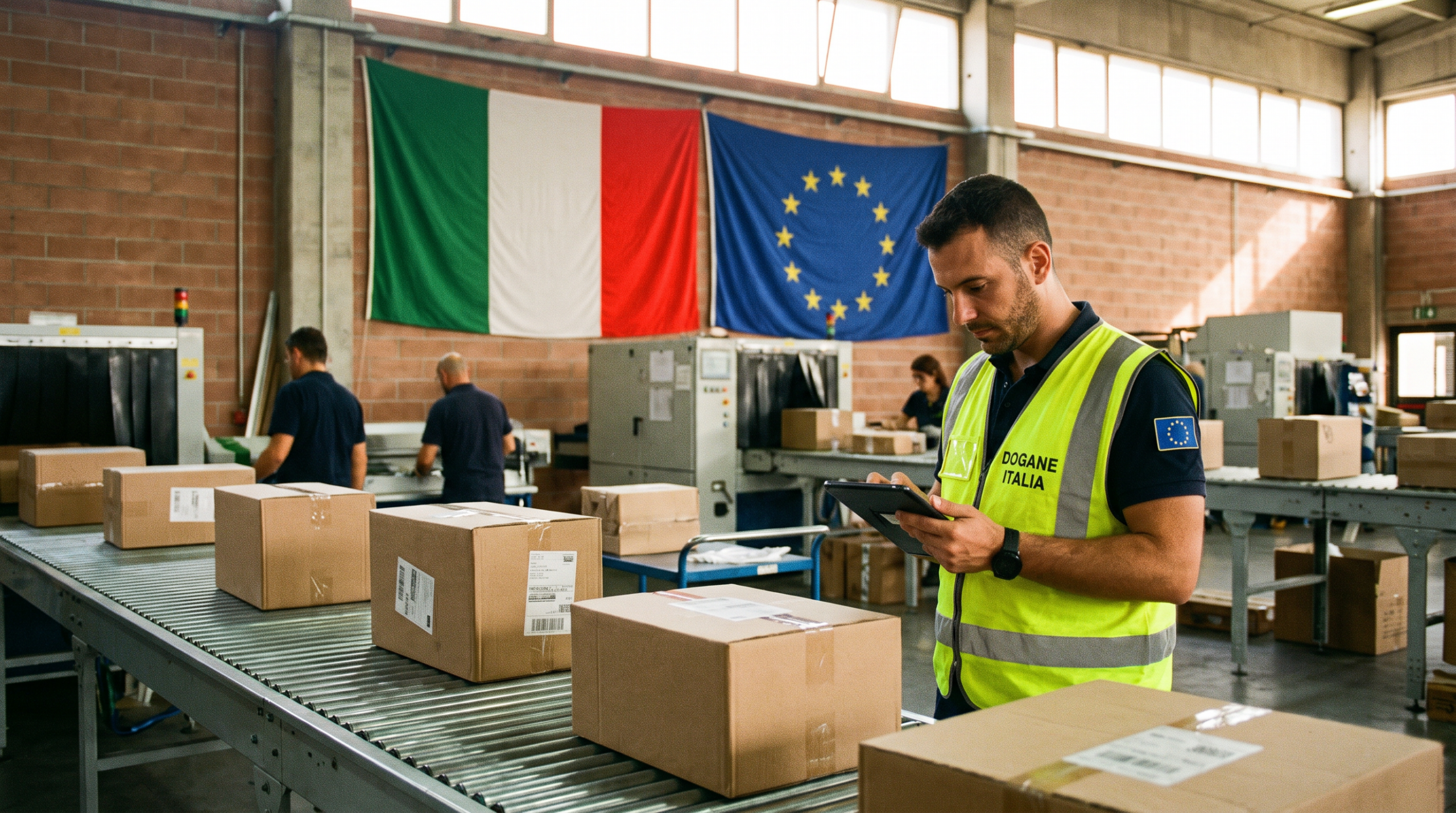
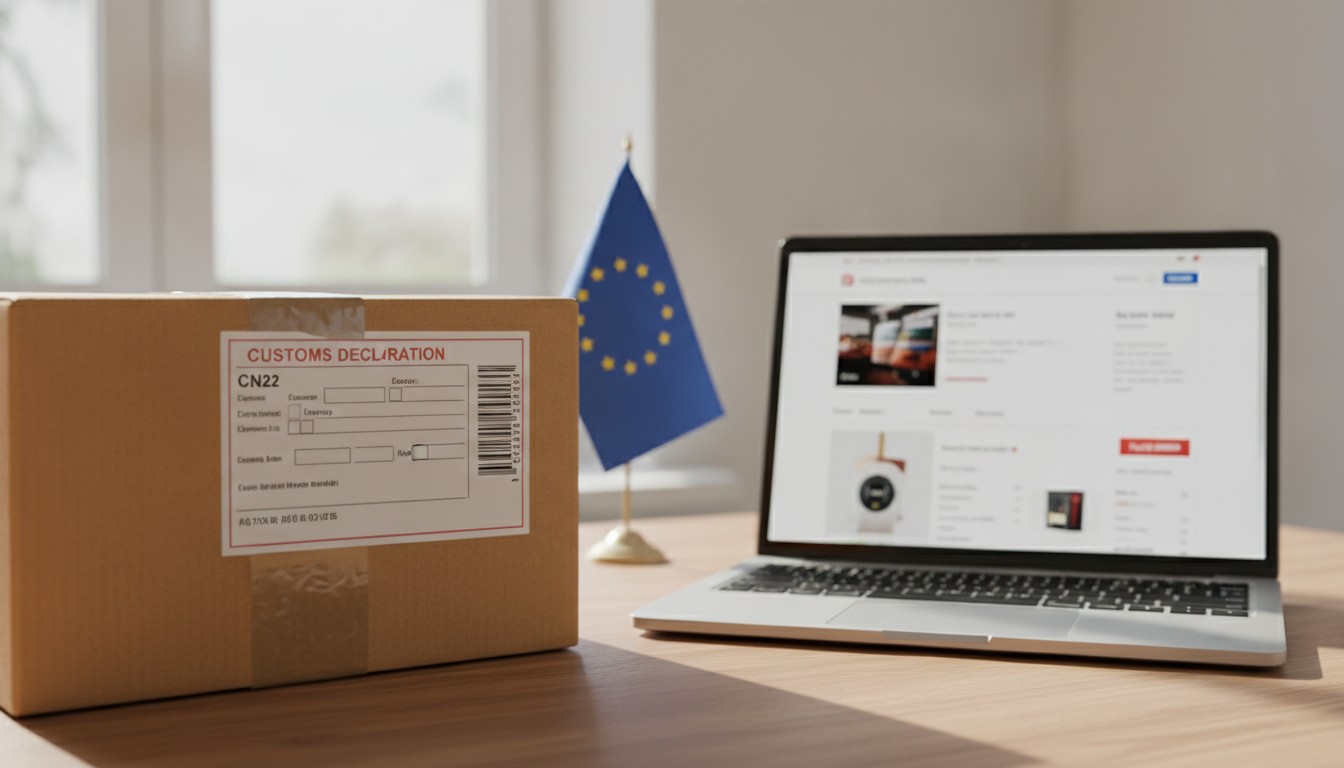
If you sell to European customers, one of the biggest cross-border shifts in years is about to land. The EU is ending its long-standing de minimis exemption that let parcels worth €150 or less enter duty-free. Starting July 1, 2026, those low-value shipments — the bread and butter of most US ecommerce stores selling into Europe — become dutiable.
This isn’t a minor tweak. Roughly 4.6 billion parcels under €150 entered the EU in 2024, and the bloc has decided the exemption creates unfair competition with EU retailers. Here’s exactly what’s changing, what it costs, and the steps US sellers should take now.
What’s actually changing on July 1, 2026
Until now, a sweater you shipped to Germany for €80 cleared EU customs without any customs duty. From July 1, 2026, that same parcel is subject to duty. To keep things simple during a transition period, the EU is applying a flat €3 customs duty per low-value consignment instead of calculating full tariff rates on every item.
That flat €3 interim rate is expected to stay in place until around 2028, when the EU’s new Customs Data Hub comes online and standard, item-by-item tariffs take over. In other words: a simple flat fee now, full tariff complexity later.
The three new costs to plan for
- €3 flat customs duty on consignments valued under €150, collected through the IOSS system for registered sellers.
- VAT, which already applies to most consumer shipments into the EU and is unchanged by this reform — you should already be collecting it at checkout via IOSS.
- A per-parcel handling fee (reported around €2, still being finalized) that platforms and carriers are expected to cover, with an EU-wide customs handling fee slated to roll out in November 2026.
These figures are based on EU announcements as of mid-2026 and remain subject to final implementation details. Confirm exact amounts with your carrier or customs broker before quoting customers.
Why IOSS becomes essential
The Import One-Stop Shop (IOSS) is the EU’s system for collecting VAT — and now the €3 duty — at the point of sale rather than at the border. An estimated 93% of cross-border ecommerce imports already flow through IOSS, and after July 2026 it becomes the cleanest way to handle the new duty.
With IOSS, you collect the €3 duty plus VAT at checkout, the parcel clears customs automatically, and your customer isn’t ambushed by a surprise bill from the courier on delivery. Without IOSS, parcels are more likely to face delays, manual clearance, and unhappy customers hit with collection fees on the doorstep.
What this means for your margins
For a typical low-value order, you’re now adding roughly €3 in duty plus any handling fee on top of VAT and shipping. On an €80 order that’s manageable; on a €15 impulse buy it can quietly erase your margin. The sellers who handle this well will:
- Re-run their landed-cost math for EU orders, building the €3 duty into pricing or shipping rather than absorbing it.
- Reconsider free-shipping thresholds for EU customers so small orders don’t become loss leaders.
- Decide on a DDP vs DDU strategy — delivered duty paid (you collect everything at checkout) almost always wins on customer experience now.
Your pre-July 2026 checklist
| Action | Why it matters |
|---|---|
| Register for IOSS (or confirm your platform’s IOSS) | Collect duty + VAT at checkout and clear customs automatically |
| Add accurate HS codes to every product | Required for clearance; critical once full tariffs arrive in 2028 |
| Update checkout to show landed cost | No surprise fees, fewer refused deliveries |
| Review pricing and free-shipping thresholds for the EU | Protect margin on low-value orders |
| Talk to your carrier about DDP options | Smoother delivery, fewer customer complaints |
Don’t forget the UK and the bigger picture
The EU isn’t moving in isolation — cross-border customs reform is tightening in multiple markets, and the US itself ended its own de minimis exemption recently. The era of frictionless, duty-free small parcels is closing worldwide. Sellers who build duty and VAT collection cleanly into checkout now will be far better positioned than those scrambling after the deadline.
The bottom line
The EU’s €150 de minimis exemption ends July 1, 2026, replaced by a flat €3 duty during the transition to full tariffs in 2028. For US ecommerce sellers, the winning move is simple: get on IOSS, add HS codes, show true landed cost at checkout, and protect your margins on small orders before the deadline hits.
Need a shipping partner that makes EU customs and duties painless? See how HereWeShip helps you ship internationally with duties and paperwork handled end to end.